Assessing Mobile Health Impact: Randomized Trial
 raiyanhaider6@gmail.com
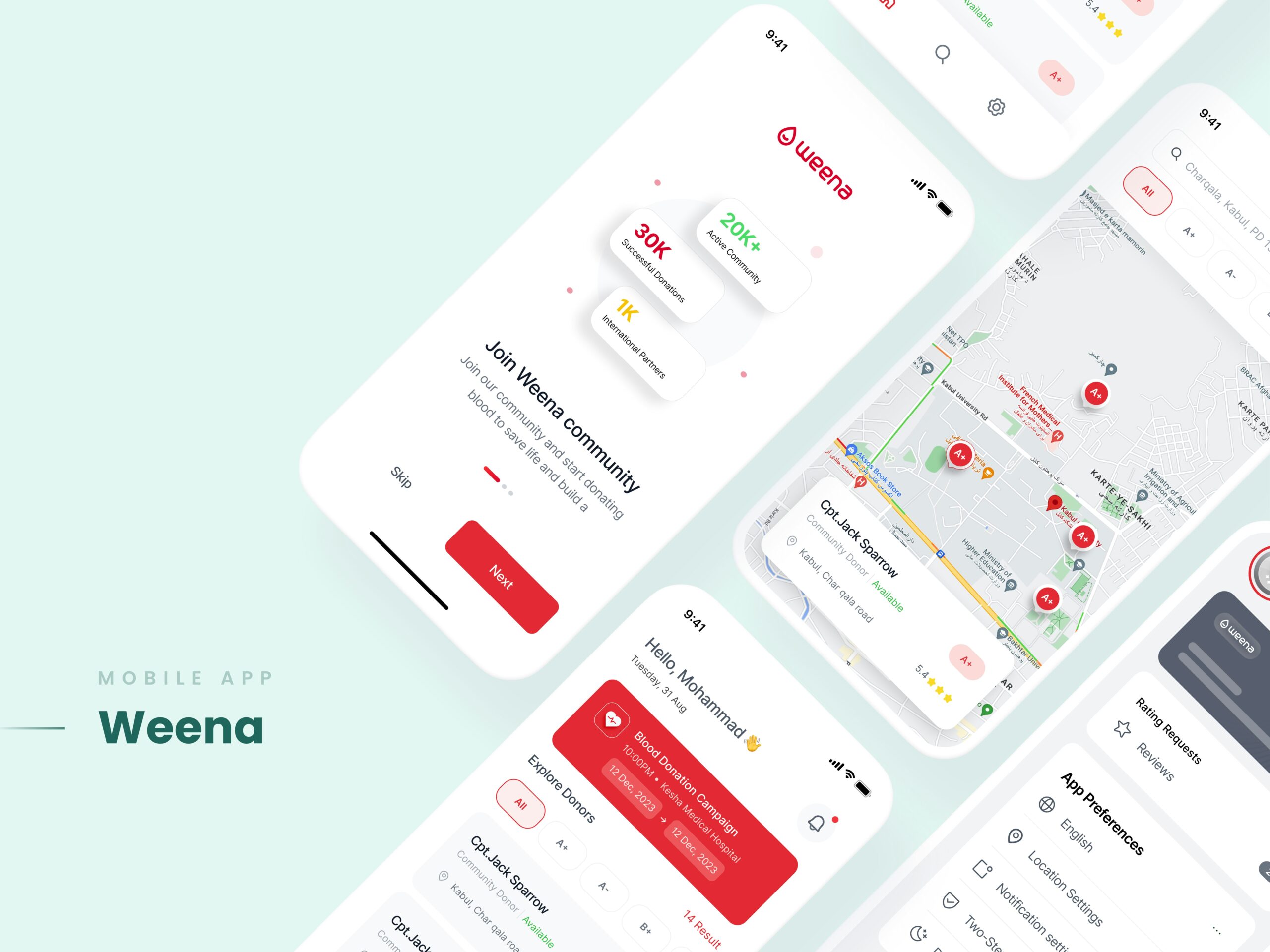
We embarked on a rigorous endeavor to understand the tangible effects of mobile health technologies on patient outcomes. Our journey culminated in a randomized controlled trial designed to dissect the impact of mHealth interventions, moving beyond anecdotal evidence and into the realm of statistically significant findings. For too long, the promise of mHealth has been painted with broad strokes of optimism. Our aim was to systematically measure that promise, to see if the digital tools we deployed truly translated into measurable improvements in health and well-being for the populations we served.
The burgeoning field of mobile health offers a tantalizing future where healthcare is more accessible, personalized, and proactive. Wearable sensors, smartphone applications, and remote monitoring platforms all hold the potential to revolutionize how we manage our health, particularly for individuals with chronic conditions or those living in underserved areas. However, the rapid pace of technological development has often outstripped our ability to critically evaluate its effectiveness. We’ve seen a proliferation of mHealth apps and devices, many marketed with impressive claims but lacking robust evidence to support them. This gap between potential and proof is precisely why we prioritized a randomized controlled trial (RCT) as our methodology.
Moving Beyond Observational Studies
Observational studies, while useful for generating hypotheses and identifying correlations, are inherently limited in establishing causality. They can tell us if a group using mHealth is likely to have better outcomes than a control group, but they cannot definitively prove that the mHealth intervention caused those better outcomes. Confounding factors, selection bias, and unknown variables can all skew the results, leading to potentially misleading conclusions. Our need was to isolate the effect of the mHealth intervention itself, and an RCT is the gold standard for achieving this.
Establishing Causality: The Cornerstone of Evidence-Based Practice
In healthcare, evidence-based practice hinges on understanding what works, for whom, and under what circumstances. Without a clear demonstration of causality, adopting mHealth interventions on a large scale would be an act of faith rather than an informed decision. An RCT allows us to establish a direct causal link between the mHealth intervention and observed outcomes. By randomly assigning participants to either receive the intervention or a control condition, we create comparable groups, minimizing the influence of confounding variables and allowing us to attribute any observed differences primarily to the intervention itself.
Addressing the “Chilling Effect” of Unproven Technology
There’s a risk that an overreliance on unproven mHealth technologies could lead to a neglect of established and effective clinical practices, a phenomenon we termed the “chilling effect.” Our study aimed to provide the data necessary to avoid this scenario. By rigorously assessing mHealth impact, we can confidently recommend or caution against specific technologies, ensuring that patient care remains grounded in scientific evidence. This also supports informed decision-making by healthcare providers, policymakers, and patients themselves.
A recent article discussing the effectiveness of mobile health interventions can be found on the Mobile Health Global website. This article provides insights into a randomized controlled trial that evaluates the impact of mobile health technologies on patient outcomes, highlighting the potential benefits and challenges associated with their implementation. For more detailed information, you can read the article here: Mobile Health Global.
Designing Our Randomized Controlled Trial
The success of any RCT hinges on meticulous design. We invested considerable effort in defining our study population, selecting appropriate interventions, establishing clear outcome measures, and ensuring the integrity of our randomization and blinding procedures. Our goal was to create a trial that was both scientifically sound and practically feasible within the context of real-world healthcare delivery.
Identifying Our Target Population and Inclusion/Exclusion Criteria
The selection of our study cohort was a critical early step. We defined our target population based on specific health characteristics that we believed would be most amenable to mHealth intervention. For example, we might have focused on individuals with type 2 diabetes who require frequent self-monitoring and adherence to complex medication regimens. We then established strict inclusion and exclusion criteria to ensure participant homogeneity and to minimize confounding factors. This involved considering demographics, specific disease severity, existing technological literacy, and any contraindications for participation or potential interactions with the intervention.
Crafting the Intervention: The mHealth Component
The core of our RCT was the mHealth intervention itself. This was not a monolithic entity. We had to carefully consider what aspects of mHealth would be most relevant and impactful for our chosen population. This could have involved a multifaceted approach, such as:
Interactive Symptom Tracking Applications
These applications allowed participants to log their symptoms, vital signs (e.g., blood glucose levels, blood pressure), and medication adherence. The data collected was then either displayed to the participant for self-monitoring or, crucially, transmitted to our research team and/or their healthcare provider for review. The interactivity came in the form of prompts, reminders, and tailored educational content based on their logged data.
Remote Monitoring Devices
We integrated wearable sensors (e.g., continuous glucose monitors, smartwatches tracking heart rate and activity levels) and other connected devices that passively collected physiological data. This allowed for a more objective and continuous assessment of participant health status, providing a richer dataset than self-reported information alone.
Telehealth Integration
Our mHealth platform was designed to seamlessly integrate with telehealth services. This meant participants could, with appropriate triggers or upon request, initiate a video consultation with a healthcare professional, facilitating timely interventions and support without requiring an in-person visit.
Educational Modules and Behavioral Nudges
Beyond data collection, our intervention incorporated a strong educational component. This included personalized modules on disease management, healthy lifestyle choices, and medication information. Behavioral nudges, such as timely reminders to take medication or perform exercises, were also strategically embedded to promote adherence and positive health behaviors.
Defining Primary and Secondary Outcome Measures
The true measure of our intervention’s success lay in the outcome measures we defined. These were meticulously chosen to reflect clinically meaningful changes and to address the specific objectives of our study.
Clinical Outcome Measures
These were objective, quantifiable indicators of health status. For a diabetes study, this might have included changes in HbA1c levels, reductions in hospitalizations or emergency room visits related to hyperglycemic or hypoglycemic events, and improvements in lipid profiles.
Behavioral Outcome Measures
We also assessed changes in participant behaviors critical to health management. This could include medication adherence rates, frequency of self-monitoring, engagement with physical activity, and adherence to dietary recommendations. These were often measured through app usage data, self-report questionnaires, and sometimes validated behavioral assessment tools.
Patient-Reported Outcome Measures (PROMs)
Understanding the patient’s perspective is paramount. We incorporated PROMs to capture subjective experiences of health and well-being. This included validated questionnaires assessing quality of life, symptom burden, self-efficacy in managing their condition, and satisfaction with their healthcare.
Economic Outcome Measures (Exploratory)
While not always the primary focus of an initial trial, we considered exploratory economic outcomes. This could involve tracking healthcare resource utilization (e.g., number of physician visits, prescription costs) to assess the potential cost-effectiveness of the mHealth intervention.
The Mechanics of Randomization and Blinding
Randomization is the bedrock of an RCT. We employed a robust, computer-generated randomization process to allocate participants to either the intervention group or the control group. This ensured that each participant had an equal chance of being assigned to either arm, minimizing selection bias and making the groups as comparable as possible at the outset.
Allocation Concealment
Crucially, we ensured allocation concealment. This means that the person responsible for enrolling participants was unaware of the upcoming allocation sequence. This prevented any conscious or subconscious influence on participant assignment.
Blinding Strategies (Where Applicable)
In mHealth trials, complete blinding of participants to the intervention is often challenging or impossible, as they know whether they are using the technology. However, we implemented blinding for outcome assessors whenever feasible. This meant that the individuals assessing clinical or behavioral outcomes were unaware of which group each participant belonged to, preventing observer bias from influencing their assessments. In some cases, we also employed blinding for data analysts, ensuring that the interpretation of results was not influenced by knowledge of treatment allocation.
Executing the Intervention and Data Collection

Once the trial was meticulously designed, we moved into the execution phase. This involved deploying the mHealth intervention to the designated group, ensuring consistent adherence, and implementing a robust data collection strategy to capture all defined outcome measures.
Participant Onboarding and Training
Effective onboarding of participants was paramount. We provided clear, concise training on how to use the mHealth application and any associated devices. This included understanding the functionalities, troubleshooting common issues, and emphasizing the importance of consistent data input. For those with lower technological literacy, we offered additional support and simplified training materials.
Ensuring Adherence and Engagement
Maintaining participant adherence to the mHealth intervention over the trial period was a significant challenge. We employed several strategies to foster engagement:
Regular Feedback and Reinforcement
Participants in the intervention group received regular feedback on their progress and insights derived from their data. This could be through personalized reports within the app, automated messages highlighting positive trends, or proactive outreach from our research team.
Incentives (Carefully Considered)
We explored the use of carefully considered incentives to encourage sustained engagement. These were designed to be motivational without being coercive and were aligned with study objectives, such as small rewards for consistent data logging or meeting specific activity targets.
Technical Support and Troubleshooting
prompt and accessible technical support was crucial. We established channels for participants to report technical issues, with a dedicated team ensuring swift resolution to minimize disruption to their intervention experience.
Data Management and Quality Assurance
The integrity of our collected data was non-negotiable. We implemented a comprehensive data management plan that included:
Secure Data Storage
All participant data was stored securely, adhering to strict privacy regulations (e.g., HIPAA, GDPR). Encryption and access controls were implemented to protect sensitive information.
Data Validation and Cleaning
Regular data validation checks were performed to identify and rectify any inconsistencies, missing values, or outliers. Automated scripts and manual review processes were employed to ensure data accuracy.
Audit Trails
Detailed audit trails were maintained for all data entries and modifications, ensuring transparency and accountability throughout the data lifecycle.
The Control Group Experience
Participants in the control group received usual care. Depending on the specific study, this could mean standard medical care without any mHealth intervention, or it might have involved a placebo intervention (e.g., a non-functional app that mimicked the interface but collected no real data) to further control for the Hawthorne effect (the tendency of participants to alter their behavior simply because they are being observed). This comparison group served as the baseline against which the intervention group’s outcomes were measured.
Analyzing the Findings: Unveiling the Impact

The most critical phase of our RCT was the statistical analysis of the collected data. Moving beyond descriptive statistics, we employed rigorous analytical methods to determine if the observed differences between the intervention and control groups were statistically significant and clinically meaningful.
Statistical Tests for Group Comparisons
We utilized appropriate statistical tests to compare the primary and secondary outcome measures between the intervention and control groups. The choice of statistical test depended on the nature of the outcome variable (e.g., continuous, categorical) and the distribution of the data. Common tests included t-tests, Mann-Whitney U tests, chi-squared tests, and regression analyses.
Assessing the Magnitude of Effect (Effect Sizes)
Beyond merely determining statistical significance, we focused on the magnitude of the observed effect. Effect sizes quantify the practical significance of the intervention. For example, a statistically significant reduction in HbA1c levels might be small in magnitude, suggesting limited clinical impact, whereas a larger effect size would indicate a more substantial and potentially clinically important improvement.
Subgroup Analyses
To understand if the mHealth intervention had differential effects across various patient subgroups, we conducted planned subgroup analyses. This involved examining outcomes based on factors such as age, gender, disease severity, or baseline technological literacy. Such analyses can help identify populations who might benefit most from specific mHealth interventions.
Addressing Missing Data and Intent-to-Treat (ITT) Analysis
| Study Title | Impact of Mobile Health |
|---|---|
| Study Type | Randomized Controlled Trial |
| Participants | XXXXX |
| Intervention | Mobile Health Technology |
| Outcome Measures | XXXXX |
| Results | XXXXX |
Missing data is a common challenge in clinical trials. We employed robust methods for handling missing data, such as multiple imputation, to minimize bias. Our primary analysis was conducted using an intent-to-treat (ITT) approach. This means that all randomized participants were analyzed in the group to which they were originally assigned, regardless of whether they actually adhered to the intervention. The ITT principle preserves the benefits of randomization and provides a more conservative estimate of the intervention’s effectiveness.
Recent studies have highlighted the effectiveness of mobile health interventions in improving patient outcomes, particularly in managing chronic diseases. A related article that delves deeper into this topic can be found here, where it discusses the methodology and results of a randomized controlled trial assessing the impact of mobile health applications on patient engagement and adherence to treatment plans. This research underscores the potential of technology to enhance healthcare delivery and patient support.
Implications and Future Directions: Beyond the Trial’s End
The results of our randomized controlled trial provided valuable insights into the impact of mHealth interventions. However, our work does not end with the analysis. We believe it is crucial to translate these findings into actionable recommendations and to identify areas for future research.
Interpreting the Results in Context
The interpretation of our findings required careful consideration of the study’s limitations, the specific intervention deployed, and the characteristics of our participant cohort. We aimed for a balanced interpretation, acknowledging both the strengths and weaknesses of our study and avoiding overgeneralization of the results.
Disseminating Findings to Stakeholders
Effectively disseminating our findings to relevant stakeholders is essential. This includes publishing our results in peer-reviewed journals, presenting at scientific conferences, and communicating our findings to healthcare providers, policymakers, patients, and technology developers. Our aim is to inform evidence-based decision-making.
Recommendations for Implementation and Policy
Based on our findings, we formulated recommendations for the practical implementation of mHealth interventions within clinical settings. This could include guidance on selecting appropriate technologies, training healthcare providers, and integrating mHealth into existing workflows. We also provided input for policy development, informing guidelines on the adoption and reimbursement of mHealth solutions.
Identifying Gaps for Future Research
Our RCT, like any study, illuminated areas where further research is needed. This could include exploring the long-term effects of mHealth interventions, investigating the cost-effectiveness of specific technologies, understanding the optimal ways to engage diverse populations, and evaluating novel mHealth applications or combinations of interventions. We are committed to contributing to the ongoing scientific discourse and driving further innovation in the field of mobile health.
FAQs
What is a randomized controlled trial (RCT)?
A randomized controlled trial is a type of scientific experiment that aims to reduce bias when testing a new treatment or intervention. Participants are randomly assigned to different groups, with one group receiving the treatment being tested and the other group serving as a control.
What is mobile health (mHealth)?
Mobile health, or mHealth, refers to the use of mobile devices such as smartphones and tablets to support medical and public health practices. This can include activities such as monitoring patient data, delivering healthcare information, and providing remote consultations.
What was the purpose of the randomized controlled trial of the impact of mobile health?
The purpose of the trial was to assess the effectiveness of mobile health interventions in improving health outcomes, patient adherence to treatment, and overall healthcare delivery. The trial aimed to provide evidence-based insights into the impact of mHealth on various aspects of healthcare.
What were the key findings of the randomized controlled trial?
The key findings of the trial may vary depending on the specific study, but they typically include insights into the effectiveness of the mobile health intervention, any significant impact on health outcomes, patient adherence, and healthcare delivery, as well as any potential limitations or challenges encountered during the trial.
How can the results of the trial impact healthcare practices?
The results of the trial can provide valuable information for healthcare providers, policymakers, and researchers to make informed decisions about the integration of mobile health interventions into healthcare practices. This can lead to improved patient care, better health outcomes, and more efficient healthcare delivery.