Bringing Healthcare to the Unreachable: Mobile Health Units
 raiyanhaider6@gmail.com
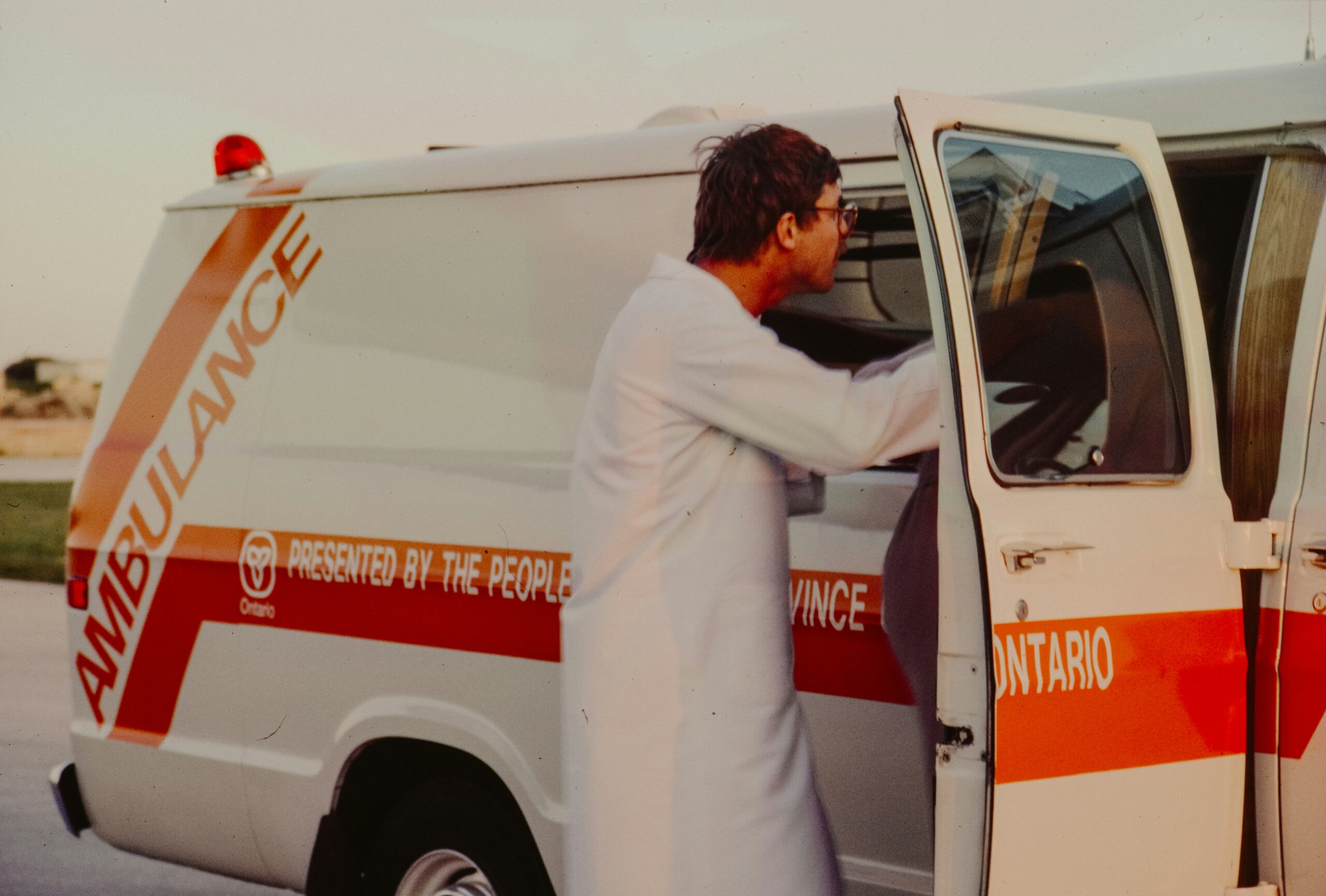
We are a nation grappling with significant disparities in healthcare access. For millions, the nearest clinic or hospital is a journey too far, too expensive, or simply too overwhelming to undertake. This is where mobile health units, our rolling clinics, emerge as a critical solution, bridging the gap between those in need and the medical attention they deserve. We see them as more than just vehicles; they are extensions of our commitment to public health, designed to deliver care directly to communities that have historically been underserved.
We didn’t arrive at the widespread adoption of mobile health units by accident. The need has always been present, but several converging factors have propelled their growth and importance in our healthcare landscape. Recognizing these drivers is crucial to understanding their impact.
Historical Precedents and Evolving Needs
Our history shows intermittent attempts at bringing healthcare to remote populations, often through temporary outreach programs. However, the persistent nature of these access barriers, coupled with demographic shifts and evolving health challenges, necessitated a more structured and sustainable approach.
Identifying the Gaps in Traditional Delivery Models
We observed that traditional brick-and-mortar facilities, while foundational, often created geographical and financial hurdles. Long travel distances, lack of transportation, time off work, and the upfront cost of appointments were significant deterrents for many. Mobile units dismantle these barriers by bringing the service to the patient.
Technological Advancements Enabling On-the-Go Care
The evolution of medical technology has been instrumental. Compact diagnostic equipment, telemedicine capabilities, and portable electronic health record systems allow us to provide a surprisingly comprehensive range of services from within a mobile unit. This technological integration ensures the quality and continuity of care are not compromised by the mobile setting.
Societal Shifts and Growing Awareness of Health Equity
There’s a heightened societal awareness today regarding health equity. We are increasingly vocal about the fact that health outcomes should not be dictated by zip code or socioeconomic status. Mobile health units are a tangible manifestation of this commitment, actively working to level the playing field.
Mobile health units play a crucial role in delivering essential healthcare services to underserved populations, effectively bridging the gap between medical resources and those in need. For a deeper understanding of how these units are transforming access to healthcare, you can explore the article titled “Mobilizing Healthcare to Reach the Unreachable” available at Mobile Health Global. This resource highlights innovative strategies and success stories from various regions, showcasing the impact of mobile health initiatives on community health outcomes.
The Operational Framework: How Mobile Health Units Function
The effectiveness of mobile health units lies in their meticulous planning and adaptable operational models. They are not simply vans with doctors; they are sophisticated systems designed for maximum impact.
Vehicle Design and Equipment Considerations
The vehicles themselves are engineered to be more than just mobile spaces. They are custom-built to accommodate examination rooms, waiting areas, diagnostic equipment, and potentially even small laboratory facilities. Energy independence through generators and on-board water systems are standard.
Essential Medical Equipment
We equip our units with a range of essential medical tools, from standard stethoscopes and blood pressure monitors to portable EKG machines, diagnostic imaging devices (like portable ultrasounds), and point-of-care testing kits for blood work and basic screenings. The specific equipment varies based on the unit’s primary focus.
Telemedicine Integration for Specialized Consultations
A significant advancement is the integration of telemedicine. This allows our on-site clinicians to consult with specialists remotely, expanding the scope of conditions we can effectively diagnose and manage. It’s a crucial component for addressing complex cases without requiring the patient to travel.
Staffing Models: The Backbone of Mobile Healthcare
The success of any healthcare initiative hinges on its personnel. Mobile health units require a dedicated and versatile team.
Multidisciplinary Clinical Teams
We typically employ a mix of physicians, nurse practitioners, physician assistants, registered nurses, medical assistants, and sometimes social workers or community health workers. This multidisciplinary approach ensures that we can address a broad spectrum of patient needs.
Administrative and Support Staff Roles
Beyond the clinical staff, dedicated administrative personnel manage scheduling, patient records, billing (where applicable), and logistical coordination. Support staff are essential for the smooth functioning of the unit and patient experience.
Community Engagement and Outreach Strategies
Simply having a mobile unit is insufficient; reaching the intended population requires proactive engagement.
Identifying Target Communities and Their Needs
We conduct thorough assessments to identify communities with the greatest need, considering factors like geographic isolation, high rates of chronic disease, low insurance coverage, and limited access to existing facilities. Understanding the specific health concerns of each community is paramount.
Building Trust and Establishing Partnerships
Earning the trust of the communities we serve is a long-term endeavor. We work closely with local leaders, community organizations, faith-based groups, and schools to disseminate information about our services and build relationships. These partnerships are vital for effective outreach and patient retention.
Spectrum of Services Offered: More Than Just Basic Care

Mobile health units are not limited to offering rudimentary medical attention. They often provide a comprehensive suite of services, mirroring those found in fixed clinic settings.
Primary Care and Preventive Services
This is the cornerstone of our mobile operations. We offer routine check-ups, vaccinations, chronic disease management (diabetes, hypertension), and health screenings for conditions like cancer and sexually transmitted infections.
Acute Illness Treatment
We are equipped to handle common acute illnesses, such as respiratory infections, minor injuries, and skin conditions, providing diagnosis and treatment on the spot.
Health Education and Lifestyle Counseling
Beyond direct medical intervention, we place a strong emphasis on empowering individuals with knowledge. We provide education on nutrition, exercise, disease prevention, and healthy lifestyle choices.
Specialized Services and Niche Programs
As our capabilities evolve, we are increasingly incorporating specialized services to address specific population needs.
Mental Health and Behavioral Health Support
Recognizing the significant mental health burden in many underserved communities, several mobile units now offer counseling services, psychiatric consultations via telemedicine, and support for substance use disorders.
Women’s Health Services
This includes prenatal screenings, family planning services, gynecological exams, and breast cancer screenings, bringing essential reproductive health services closer to home.
Pediatric Care and Early Intervention
We provide childhood immunizations, well-child visits, and early developmental screenings, ensuring that children receive crucial care from an early age.
Chronic Disease Management Programs
For individuals managing long-term conditions, we offer ongoing monitoring, medication management, and support to help them maintain their health and prevent complications.
Addressing Specific Populations and Challenges

The adaptability of mobile health units allows them to cater to the unique needs of diverse and often vulnerable populations.
Serving Rural and Geographically Isolated Communities
For residents in remote areas, the nearest hospital might be hours away. Our units eliminate this burden, bringing essential medical resources directly to their doorsteps. This is particularly impactful for elderly individuals and those with mobility issues.
Overcoming Transportation Barriers
In rural settings, reliable transportation is often scarce. Mobile units negate the need for patients to arrange travel, which can be a significant deterrent to seeking care.
Providing Continuity of Care in Remote Areas
We aim to establish regular visit schedules in these communities, fostering continuity of care for ongoing health needs and chronic condition management.
Reaching Urban Underserved Neighborhoods and Homeless Populations
Within urban environments, pockets of poverty and lack of access still exist. Mobile units can navigate these areas effectively, reaching individuals who may be hesitant or unable to access traditional clinics.
Mobile Clinics for Homeless Shelters and Day Centers
Partnering with homeless shelters and day centers allows us to provide consistent medical support to individuals experiencing homelessness, addressing immediate health concerns and offering a pathway to more comprehensive care.
Outreach to Migrant Worker Communities
These communities often face unique health challenges due to transient lifestyles and potential language barriers. Mobile units can be deployed to their work sites or temporary housing to provide accessible healthcare.
Emergency Preparedness and Disaster Relief
During natural disasters or public health emergencies, mobile health units become invaluable assets for rapid response, providing essential medical aid and public health services in affected areas where traditional infrastructure may be compromised.
Rapid Deployment in Disaster Zones
Our units can be quickly mobilized to provide immediate medical attention, distribute essential supplies, and conduct health screenings in the aftermath of natural disasters.
Public Health Messaging and Vaccination Campaigns
In emergency situations, mobile units can also serve as platforms for disseminating critical public health information and conducting targeted vaccination campaigns.
Mobile health units play a crucial role in delivering essential healthcare services to underserved populations, effectively bridging the gap between communities and medical resources. An insightful article that explores this topic in depth is “Mobilizing Healthcare to Reach the Unreachable,” which highlights innovative strategies and real-world examples of how these units are transforming access to care. For more information, you can read the article here. By utilizing mobile units, healthcare providers can ensure that even the most isolated individuals receive the attention they need, ultimately improving health outcomes and fostering community well-being.
Measuring Impact and Sustaining Momentum
| Mobile Health Unit | Metrics |
|---|---|
| Number of Visits | 5000 |
| Services Provided | Primary care, vaccinations, screenings |
| Population Served | Rural and underserved communities |
| Healthcare Professionals | Doctors, nurses, pharmacists |
The true value of mobile health units is measured by their tangible impact on the health of the communities they serve. Sustaining this impact requires ongoing evaluation and strategic adaptation.
Data Collection and Health Outcome Tracking
We meticulously collect data on patient demographics, services provided, diagnoses, and treatment outcomes. This data is crucial for understanding the effectiveness of our programs and identifying areas for improvement.
Identifying Trends in Community Health
By analyzing the collected data, we can identify prevalent health issues within specific communities, allowing us to tailor our services to meet those evolving needs.
Quantifying Improvements in Access and Health Disparities
We track metrics such as the number of individuals served, the reduction in emergency room visits for preventable conditions, and improvements in disease management indicators to quantify our impact on reducing health disparities.
Financial Sustainability and Funding Models
Ensuring the long-term viability of mobile health units requires diverse and stable funding streams.
Grant Funding and Philanthropic Support
A significant portion of our funding often comes from government grants, private foundations, and individual philanthropic donations.
Partnerships with Health Systems and Insurers
We actively seek partnerships with larger healthcare systems and insurance providers. These collaborations can involve service contracts, equipment sharing, or referrals, contributing to financial stability.
Government Reimbursement and Public Programs
Where applicable, we work to secure reimbursement from government programs like Medicaid and Medicare, as well as state and local public health initiatives.
Continuous Improvement and Adaptation
The healthcare landscape is constantly changing, and our mobile health units must evolve with it.
Incorporating Patient Feedback for Service Enhancement
We actively solicit feedback from the communities we serve to identify what is working well and what can be improved, ensuring our services remain relevant and responsive.
Responding to Emerging Health Trends and Needs
We remain vigilant for emerging health trends, infectious disease outbreaks, and shifts in community needs, adapting our services and equipment accordingly.
Scaling Successful Models to Reach More Populations
Our goal is not to remain static but to learn from our successes and scale our effective models to reach even more individuals and communities who are currently left behind. We see mobile health units as a dynamic and evolving solution, integral to building a more equitable and accessible healthcare system for all.
FAQs
What are mobile health units?
Mobile health units are vehicles equipped with medical equipment and staffed by healthcare professionals that travel to underserved or remote areas to provide healthcare services to people who may not have easy access to traditional healthcare facilities.
What services do mobile health units provide?
Mobile health units provide a range of healthcare services, including primary care, preventive care, screenings, vaccinations, and health education. They may also offer services such as dental care, mental health support, and chronic disease management.
How do mobile health units benefit communities?
Mobile health units help to improve access to healthcare for underserved populations, including rural communities, low-income neighborhoods, and areas with limited transportation options. They can help to reduce healthcare disparities, improve health outcomes, and prevent unnecessary hospitalizations.
Who operates mobile health units?
Mobile health units may be operated by various organizations, including hospitals, community health centers, nonprofit organizations, and government agencies. They may also be operated in partnership with local healthcare providers, public health departments, or other community organizations.
How can people access mobile health unit services?
People can access mobile health unit services by visiting scheduled locations where the units are stationed, such as community centers, schools, or public spaces. Some units may also offer outreach and coordination with local community organizations to inform residents about their services and schedule.