Improving Healthcare Access with Mobile Integrated Care
 raiyanhaider6@gmail.com
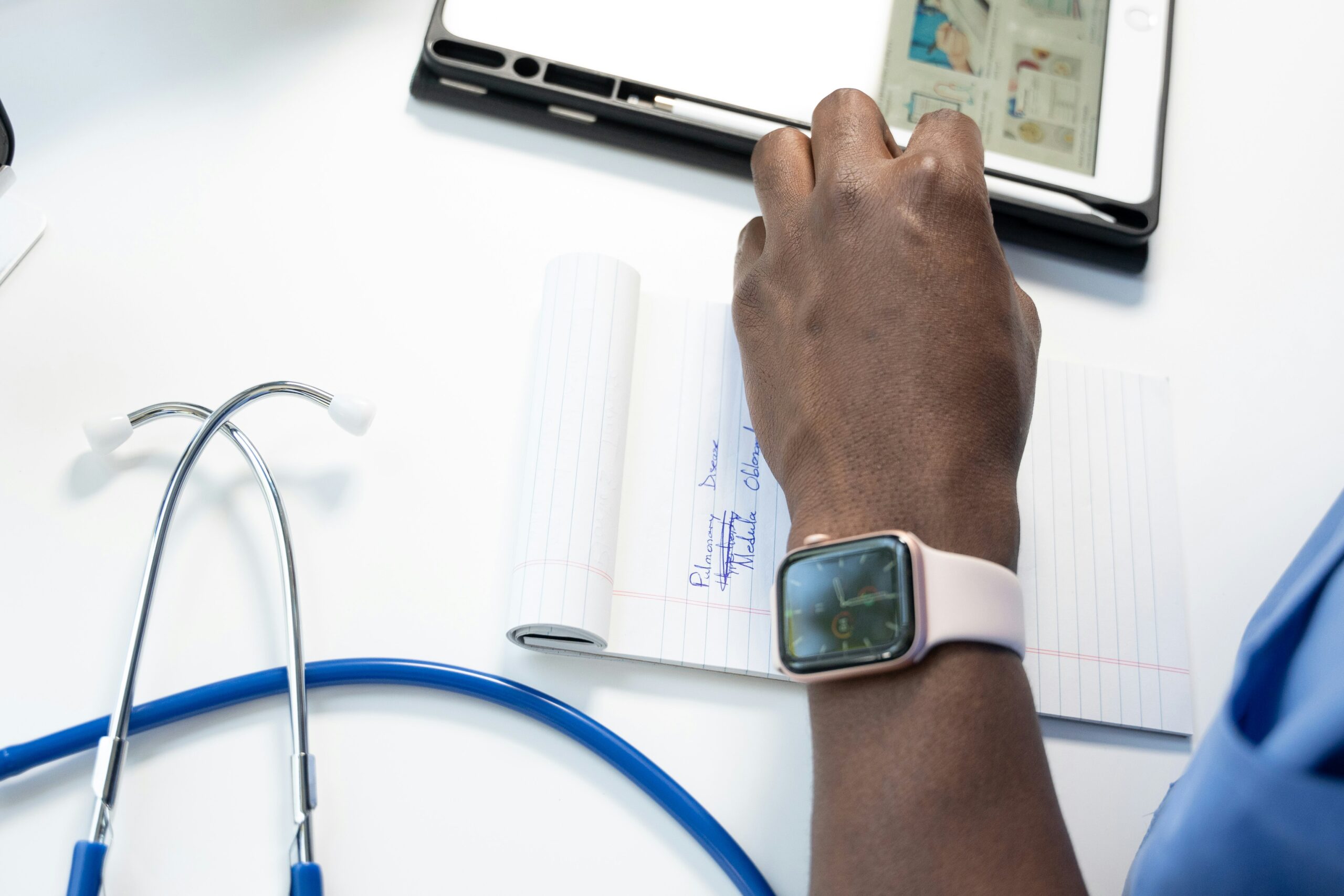
Mobile Integrated Healthcare (MIH) is a practical approach that helps improve healthcare access by bringing medical services directly to patients, often in their homes or communities. Essentially, it leverages paramedics, EMTs, and other healthcare professionals to extend primary care, post-acute care, and even preventative services beyond the traditional hospital or clinic setting. This isn’t about replacing doctors; it’s about supplementing existing healthcare infrastructure and filling critical gaps, especially for those who struggle to access traditional care.
MIH isn’t a new concept, but its application has grown significantly, especially in response to the demands of an aging population and persistent healthcare disparities. It’s built on the idea that healthcare doesn’t always need to happen within four walls. Instead, a trained healthcare professional, often equipped with diagnostic tools and telemedicine capabilities, can provide an array of services wherever the patient may be.
What is MIH?
At its core, MIH is about extending the reach of healthcare providers. It takes skilled personnel – paramedics and EMTs, but also nurses, social workers, and community health workers – and deploys them to provide services outside of a hospital emergency department. This could involve everything from managing chronic conditions to preventative screenings or follow-up care after a hospital discharge.
Who Benefits from MIH?
Many different groups can benefit. Elderly patients, those with chronic illnesses, individuals in rural areas with limited access to clinics, and even patients who are socioeconomically disadvantaged and face transportation or scheduling barriers are prime candidates for MIH. The goal is to meet patients where they are, physically and socially, to improve their health outcomes.
The Role of Paramedics and EMTs
Paramedics and EMTs are often the backbone of MIH programs. Their training in emergency response, assessment, and stabilization makes them ideal for in-home visits and community-based care. They can perform basic diagnostic tests, administer medications, educate patients on self-management, and connect them with other resources. This expands their traditional “scoop and run” role to a more proactive, community-focused approach.
Mobile integrated healthcare is revolutionizing the way medical services are delivered, providing patients with timely and efficient care in their own environments. For a deeper understanding of the impact and advancements in this field, you can explore a related article on the subject at Mobile Health Global, which discusses innovative strategies and technologies that enhance patient outcomes through mobile healthcare solutions.
Bridging Gaps in Healthcare Access
One of MIH’s strongest arguments is its ability to bridge significant gaps in healthcare access. Many individuals struggle to get to appointments for various reasons, leading to worsening conditions and preventable emergency room visits.
Addressing Geographic Barriers
For people living in rural or remote areas, access to specialists or even primary care physicians can be a significant challenge. Long travel times, limited public transport, and a shortage of local providers mean that minor issues can become critical before they receive attention. MIH programs can deploy mobile units to these areas, bringing essential services directly to communities that might otherwise be underserved. This might include vaccination clinics, basic health screenings, or chronic disease management.
Overcoming Transportation Challenges
Even in urban environments, transportation can be a major hurdle. For individuals with limited mobility, those without personal vehicles, or those relying on often unreliable public transport, getting to a clinic can be a full-day ordeal or simply impossible. MIH eliminates this barrier by bringing the clinic to them, reducing missed appointments and improving continuity of care. This is particularly impactful for patients needing frequent follow-up after a hospital stay or those with complex chronic conditions.
Supporting Vulnerable Populations
Socioeconomically disadvantaged individuals often face a confluence of barriers – lack of insurance, job inflexibility, childcare issues, and limited health literacy. MIH programs can be tailored to address these specific needs, offering care in culturally sensitive ways and connecting patients with social services. This holistic approach recognizes that health is influenced by more than just medical conditions.
How MIH Programs Operate

The specifics of MIH programs can vary widely depending on the community and the healthcare system involved. However, they generally share common operational principles focused on patient-centered care and efficient resource utilization.
Referral and Triage Systems
Patients are typically referred to MIH programs by their primary care physicians, hospital discharge planners, or even emergency services. A robust triage system is essential to ensure that MIH is the appropriate level of care and that resources are allocated efficiently. This might involve a phone consultation, a review of medical records, or a preliminary home visit. The goal is to identify patients who will benefit most from community-based care and to avoid unnecessary emergency department visits.
Multidisciplinary Teams
MIH is rarely a solo endeavor. Programs often utilize multidisciplinary teams that might include paramedics, nurses, social workers, mental health professionals, and community health workers. This allows for a comprehensive approach to patient care, addressing not only medical needs but also social determinants of health. The team works collaboratively, often using shared electronic health records, to ensure seamless communication and coordinated care.
Technology Integration
Technology plays a crucial role in modern MIH. Telemedicine platforms allow paramedics on site to consult with physicians or specialists remotely, enabling more complex diagnoses and treatment plans. Electronic health records (EHRs) ensure that all members of a patient’s care team have access to up-to-date information, improving continuity and reducing errors. Wearable devices and remote monitoring can also be integrated to track vital signs and other health metrics, allowing for proactive interventions.
Telemedicine and Remote Monitoring
Telemedicine isn’t just for emergencies. It enables specialists to provide guidance during in-home visits, review diagnostic images, and even conduct virtual follow-up appointments. Remote monitoring, through devices that measure blood pressure, glucose levels, or heart rate, provides continuous data that can alert healthcare providers to potential issues before they become critical. This proactive approach can prevent hospitalizations and improve chronic disease management.
Electronic Health Records (EHR)
Centralized EHRs are fundamental to MIH. They allow rapid access to patient history, current medications, and care plans, ensuring that every caregiver is on the same page. This reduces the risk of duplicate tests, conflicting prescriptions, and fragmented care, leading to safer and more effective treatment.
Benefits and Outcomes of MIH

The implementation of MIH programs has shown promising results in various communities, yielding benefits for patients, healthcare systems, and the broader community.
Reduced Emergency Department (ED) Visits
One of the most frequently cited benefits of MIH is its potential to reduce inappropriate or preventable ED visits. By providing timely care in the home, MIH programs can address acute conditions before they escalate, manage chronic diseases more effectively, and offer preventative services that keep patients out of the ED. This frees up emergency resources for true emergencies and reduces strain on overwhelmed hospital systems.
Improved Chronic Disease Management
Patients with chronic conditions like diabetes, heart failure, or COPD often struggle with medication adherence, lifestyle changes, and knowing when to seek help. MIH programs can offer regular home visits for education, monitoring, and medication management, helping patients better understand and manage their conditions. This often leads to fewer exacerbations, better quality of life, and reduced hospital readmissions. For instance, a paramedic might visit a heart failure patient to check their weight, monitor for fluid retention, and remind them about dietary restrictions – small interventions that can prevent a trip to the hospital.
Enhanced Patient Satisfaction
Patients often appreciate the convenience and personalized attention that MIH offers. Receiving care in the comfort of their own home can be less stressful and more comfortable than navigating a clinic or hospital. The ability to build a relationship with a consistent care provider fosters trust and improves overall patient experience. This level of patient-centered care can lead to higher engagement and better adherence to treatment plans.
Cost-Effectiveness for Healthcare Systems
While there’s an initial investment, MIH can be more cost-effective in the long run. Preventing ED visits and hospital readmissions significantly reduces healthcare costs. By managing conditions proactively, MIH can avoid expensive acute care interventions. Furthermore, by optimizing the use of highly trained professionals like paramedics in non-emergent roles, healthcare systems can deploy resources more efficiently.
Mobile integrated healthcare is transforming the way patients receive medical attention, particularly in underserved areas. A recent article discusses the impact of telehealth technologies on patient outcomes and accessibility, highlighting how these innovations complement traditional healthcare models. For more insights on this topic, you can read the article on the benefits of telehealth here. As mobile integrated healthcare continues to evolve, it is essential to explore how these advancements can enhance patient care and improve overall health systems.
Challenges and Considerations for Implementation
| Metrics | Data |
|---|---|
| Number of Mobile Integrated Healthcare Programs | 200 |
| Patients Served Annually | 500,000 |
| Reduction in Hospital Admissions | 30% |
| Cost Savings to Healthcare System | 50 million |
Despite its numerous benefits, establishing and sustaining effective MIH programs comes with its own set of challenges and requires careful planning.
Funding and Reimbursement Models
A major hurdle for many MIH programs is securing sustainable funding and navigating complex reimbursement structures. Traditional healthcare models are often designed around fee-for-service within clinic or hospital settings. MIH operates outside these traditional models, making it difficult to get reimbursed for services provided in the home or community. Advocacy for new billing codes and alternative payment models, such as value-based care, is crucial for the long-term viability of MIH.
Regulatory and Scope of Practice Issues
The scope of practice for paramedics and other MIH providers can vary significantly by state and region. This patchwork of regulations can limit the services MIH programs can offer and complicate interstate collaboration. Streamlining regulations to allow MIH providers to fully utilize their skills in a safe and regulated manner is an ongoing challenge. Also, ensuring that MIH services are properly integrated into existing healthcare regulatory frameworks is key.
Training and Education for MIH Providers
While paramedics and EMTs have extensive emergency training, MIH requires additional education in areas like chronic disease management, public health, social determinants of health, and cultural competency. Developing standardized training programs and certifications for MIH providers is essential to ensure consistent quality of care and to expand the workforce effectively. This specialized training ensures providers can handle the complexities of non-emergent, community-based care.
Data Collection and Evaluation
To demonstrate the value and effectiveness of MIH, robust data collection and evaluation are critical. Programs need to systematically track patient outcomes, cost savings, and patient satisfaction. This data is essential for securing continued funding, proving efficacy to policymakers, and continuously improving program design. Without clear metrics, it’s difficult to make the case for investing in and expanding MIH.
Looking Ahead: The Future of MIH
The potential for MIH to transform healthcare delivery is substantial. As healthcare systems continue to adapt to evolving patient needs and economic pressures, MIH is poised to play an increasingly central role.
Expansion of Services
Currently, MIH often focuses on specific populations or conditions. In the future, we can expect to see an expansion of the types of services offered, potentially including mental health support, substance abuse treatment, palliative care, and even specialized pediatric care at home. The flexibility of MIH makes it adaptable to a wide range of healthcare needs.
Greater Integration with Primary Care
As MIH matures, it will likely become even more deeply integrated with primary care practices. This would involve seamless communication channels, shared care plans, and collaborative efforts between community-based MIH teams and office-based physicians. This integration could create a truly comprehensive and continuous care experience for patients.
Policy and Legislative Support
Continued advocacy for policy changes and favorable legislation will be vital for MIH to reach its full potential. This includes securing consistent reimbursement, establishing clear scopes of practice, and creating incentives for healthcare systems to adopt and expand MIH programs. Momentum is building, but sustained effort is needed.
Mobile Integrated Healthcare offers a realistic and effective pathway to improving healthcare access, particularly for underserved populations. By leveraging skilled professionals and technology, it extends quality care beyond traditional settings, fostering better patient outcomes and more efficient healthcare systems. While not without its challenges, MIH represents a significant step towards a more accessible, equitable, and patient-centered healthcare future.