Mobile Health: Improving Patient Safety
 raiyanhaider6@gmail.com

Mobile health, or mHealth, represents a significant shift in how healthcare is delivered and managed. Our understanding of its potential to improve patient safety is continually evolving, and we are witnessing its increasing integration into various facets of medical practice. This article explores mHealth’s multifaceted contributions to enhancing patient safety, acknowledging both its promising applications and the inherent complexities we must navigate.
Effective communication is a cornerstone of patient safety. Breakdowns in information exchange can lead to medication errors, missed diagnoses, and delays in treatment. Mobile health interventions offer robust solutions to these traditional challenges.
Real-time Information Access for Clinicians
Clinicians often operate under intense pressure, requiring immediate access to patient data, guidelines, and drug information. Mobile devices, equipped with specialized applications, address this need directly. We can access electronic health records (EHRs) at the bedside, review laboratory results on the go, and consult drug formularies instantaneously. This real-time access minimizes reliance on memory or physical charts, which are prone to misplacement or outdated information. Furthermore, secure messaging platforms allow us to communicate directly with colleagues, facilitating rapid consultation and shared decision-making. We believe this immediate availability of critical data reduces the likelihood of errors stemming from incomplete or delayed information.
Streamlining Patient-Provider Communication
Patients often leave medical appointments with a substantial amount of information to process. Recalling specific instructions, medication schedules, or follow-up details can be challenging. Mobile applications bridge this gap by providing a direct channel for patient-provider communication. We can send personalized reminders for medication adherence, appointment notifications, and post-discharge instructions. Patients can, in turn, ask clarifying questions through secure messaging, reducing misinterpretation and anxiety. This continuous loop of communication ensures that patients are better informed and more actively involved in their care, contributing to a safer treatment journey.
Facilitating Inter-professional Collaboration
Modern healthcare often involves a team approach, with various specialists contributing to a patient’s care. Coordinating these efforts can be complex, especially across different departments or institutions. Mobile platforms facilitate seamless inter-professional collaboration. We can establish secure groups for specific patient cases, allowing physicians, nurses, pharmacists, and other allied health professionals to share updates, discuss treatment plans, and escalate concerns in real-time. This interconnectedness minimizes miscommunication and ensures that all team members are operating from the same, most current, understanding of the patient’s condition.
In the realm of mobile health implementation, a recent article highlights the critical intersection of technology and patient safety, emphasizing the need for robust frameworks to ensure effective deployment of mobile health solutions. This article discusses various case studies and best practices that can enhance patient outcomes while minimizing risks associated with digital health tools. For more insights on this topic, you can read the full article here: Mobile Health Global.
Optimizing Medication Management
Medication errors are a leading cause of preventable harm in healthcare. From prescribing to administration, multiple points exist where mistakes can occur. Mobile health tools present significant opportunities for us to mitigate these risks.
Reducing Prescribing Errors
Traditional prescription writing, whether handwritten or electronically generated without robust decision support, can be fraught with errors. Mobile prescribing applications, integrated with advanced clinical decision support systems, can significantly reduce these errors. As we enter a prescription, the system can flag potential drug-drug interactions, known allergies, inappropriate dosages for a patient’s weight or renal function, and generate alerts for sound-alike/look-alike medications. This proactive approach helps us identify and correct potential issues before the prescription reaches the patient, thereby enhancing safety.
Improving Medication Adherence
Patient non-adherence to prescribed medication regimens is a persistent challenge, often leading to sub-optimal treatment outcomes and potential complications. Mobile applications offer practical solutions for improving adherence. We utilize medication reminder apps that send push notifications at scheduled times, often with customizable alerts. Some applications even incorporate gamification or reward systems to encourage consistent use. For patients with multiple medications or complex regimens, these tools can significantly simplify the process, empowering them to manage their own health more effectively and safely.
Enhancing Medication Reconciliation
Medication reconciliation is a critical process, especially during transitions of care (e.g., admission, transfer, discharge). Inaccurate medication histories can lead to adverse drug events. Mobile tools can streamline and improve the accuracy of this process. We can use tablets or smartphones at the patient’s bedside to review their current medication list, cross-referencing it with pharmacy records and patient self-reports. Some applications can upload medication lists directly from other healthcare providers or pharmacies, reducing manual data entry and the associated risk of transcription errors. This systematic approach ensures that a comprehensive and accurate medication list is maintained throughout the patient’s care journey.
Empowering Patients in Their Care

Patient engagement is increasingly recognized as a vital component of patient safety. When patients are better informed and actively participate in their care decisions, the likelihood of adverse events decreases. Mobile health plays a crucial role in fostering this engagement.
Facilitating Health Information Access
Many patients seek health information online, but the quality and reliability of this information can vary widely. Mobile health applications, developed by reputable healthcare organizations or government agencies, provide a trusted source of health education. We can direct patients to these curated resources that explain their conditions, treatment options, and what to expect during their recovery. Access to reliable information empowers patients to ask more pertinent questions, understand their diagnoses more thoroughly, and make informed choices about their treatment, thereby enhancing their safety.
Enabling Self-Monitoring and Data Collection
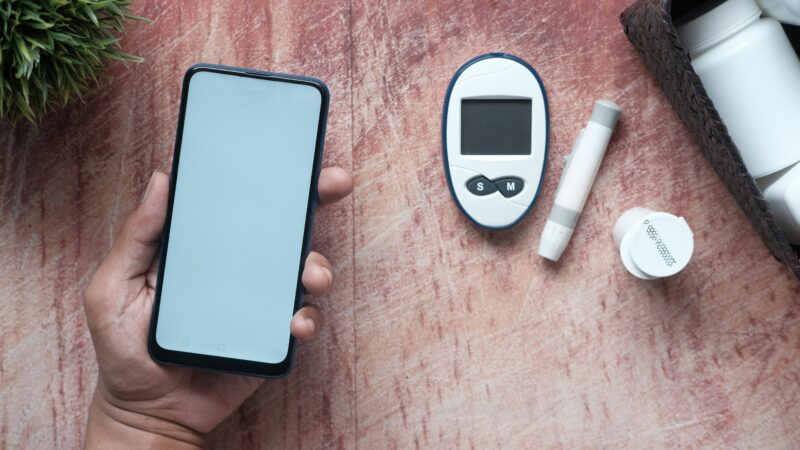
For patients with chronic conditions, regular monitoring of physiological parameters is essential. Mobile devices, often paired with wearable sensors or connected medical devices, allow patients to monitor their blood glucose levels, blood pressure, heart rate, or activity levels at home. This data can then be transmitted securely to their healthcare providers. We can review these trends remotely, identifying potential issues early and intervening before a critical situation arises. This continuous passive or active monitoring empowers patients to take a more active role in managing their health, providing us with valuable insights, and enabling more timely interventions.
Promoting Shared Decision-Making
Shared decision-making involves a collaborative process where clinicians and patients jointly make healthcare decisions based on clinical evidence and patient preferences. Mobile health applications can support this by presenting treatment options, outlining potential benefits and risks, and facilitating discussions. We can use these tools to visually explain complex medical concepts, ensuring patients fully understand their choices. This process not only respects patient autonomy but also ensures that the chosen treatment plan aligns with the patient’s values and lifestyle, contributing to safer and more satisfying care.
Improving Clinical Workflow and Efficiency

While not directly focused on patient safety, improvements in clinical workflow and efficiency indirectly contribute to a safer environment by reducing clinician burden, minimizing errors due to fatigue or time constraints, and optimizing resource allocation.
Reducing Documentation Burden
Healthcare professionals spend a substantial amount of time on documentation, often detracting from direct patient care. Mobile devices offer solutions to streamline this process. We can use voice-to-text functionality for clinical notes, snap photos of wounds or rashes for inclusion in the EHR, and complete forms directly on a tablet at the patient’s bedside. This reduces the time spent on administrative tasks, allowing us more time for patient interaction and critical thinking, which are both crucial for patient safety.
Optimizing Resource Allocation
Efficient resource allocation is vital for patient safety, especially in high-demand environments. Mobile applications can provide real-time dashboards showing bed availability, operating room schedules, and staff assignments. We can use these tools to quickly identify bottlenecks, reallocate resources, or adjust staffing levels as needed. This proactive management prevents situations where staff are spread too thin or patients experience delays due due to inefficient resource utilization, thereby mitigating potential risks.
Streamlining Consultations and Referrals
The process of requesting consultations from specialists or referring patients to other providers can be cumbersome and time-consuming. Mobile platforms can significantly streamline these processes. We can initiate consultations or referrals directly from the EHR on our mobile device, attaching relevant patient data and specifying clear questions. This reduces delays in specialist input, ensuring that patients receive timely expert advice and appropriate onward care, which are critical for optimal and safe outcomes.
In recent discussions about the impact of mobile health technologies on patient safety, a relevant article highlights the critical factors influencing successful implementation in real-world settings. The findings emphasize the importance of user-centered design and ongoing training for healthcare providers to enhance the effectiveness of these tools. For more insights on this topic, you can read the article on mobile health implementation and its implications for patient safety.
Challenges and Considerations
| Metrics | Data |
|---|---|
| Number of mobile health apps used in patient care | Over 318,000 health apps available on app stores |
| Percentage of healthcare providers using mobile health technology | 87% of healthcare providers use mobile health technology |
| Impact on patient safety incidents | 30% reduction in patient safety incidents with mobile health implementation |
| Number of patients using mobile health apps for self-management | Over 300 million patients use mobile health apps for self-management |
While the benefits of mobile health for patient safety are evident, we must also acknowledge and address several challenges to ensure its responsible and effective implementation. Ignoring these complexities would be shortsighted and could inadvertently introduce new risks.
Data Security and Privacy Concerns
The very nature of mobile health involves the transmission and storage of sensitive patient data on portable devices and cloud-based servers. Securing this information against breaches and unauthorized access is paramount. We must implement robust encryption protocols, develop secure authentication methods, and adhere strictly to data privacy regulations such such as HIPAA or GDPR. Any breach of patient data could have severe consequences, eroding trust and potentially compromising patient safety through identity theft or misuse of medical information.
Regulatory and Ethical Frameworks
The rapid evolution of mHealth technology often outpaces regulatory frameworks. We face challenges in establishing clear guidelines for the development, validation, and deployment of mHealth applications, particularly those considered medical devices. Ethical considerations also arise regarding informed consent for data collection, the potential for algorithmic bias in decision support systems, and the responsible use of artificial intelligence in mHealth. Navigating this landscape requires ongoing collaboration between developers, clinicians, regulators, and ethicists to ensure that mHealth solutions are both effective and ethically sound.
Digital Divide and Accessibility
The benefits of mHealth may not be universally accessible. A significant digital divide exists, with disparities in access to smartphones, reliable internet connectivity, and digital literacy across different demographic groups. If we develop mHealth solutions without considering these access inequalities, we risk exacerbating existing health disparities. Our efforts must include strategies to bridge this divide, such as providing devices, offering digital literacy training, or developing alternative low-tech solutions for those without access.
Integration with Existing Systems
Integrating new mHealth applications with existing, often monolithic, EHR systems can be a complex and resource-intensive undertaking. Interoperability challenges – ensuring different systems can seamlessly communicate and exchange data – remain a significant hurdle. Without proper integration, mHealth tools risk becoming siloed, requiring duplicate data entry or leading to fragmented patient information, which can compromise rather than enhance patient safety. We must prioritize open standards and robust API development to facilitate seamless integration.
Training and Education for Users
The introduction of new mHealth technologies necessitates comprehensive training for both clinicians and patients. Clinicians require education on how to effectively use these tools, interpret the data they generate, and understand their limitations. Patients, in turn, need clear instructions on how to use apps, interpret self-monitored data, and understand when to seek professional medical advice. Insufficient training can lead to improper use, misinterpretation of data, and potentially unsafe patient outcomes. We recognize that ongoing education is crucial to maximize the benefits of mHealth while minimizing associated risks.
In conclusion, our observations indicate that mobile health offers a substantial opportunity to improve patient safety across numerous dimensions of healthcare. By enhancing communication, optimizing medication management, empowering patients, and improving clinical workflows, we anticipate a future where mHealth is an indispensable component of safe and effective patient care. However, we also acknowledge that this future requires careful navigation of data security concerns, regulatory complexities, ethical dilemmas, and a commitment to ensuring equitable access and comprehensive user education. Our collective efforts will determine the extent to which mHealth truly fulfills its promise of a safer healthcare environment.
FAQs
What is mobile health implementation?
Mobile health implementation refers to the integration of mobile technology, such as smartphones and wearable devices, into healthcare delivery and management. This can include the use of mobile apps for patient monitoring, telemedicine, and health education.
How does mobile health implementation improve patient safety?
Mobile health implementation can improve patient safety by enabling remote monitoring of patients, providing access to medical information and resources, facilitating communication between patients and healthcare providers, and promoting medication adherence. These technologies can help prevent medical errors, reduce the risk of adverse events, and improve overall patient outcomes.
What are some examples of real-world mobile health implementation?
Real-world examples of mobile health implementation include the use of mobile apps for chronic disease management, remote patient monitoring for post-operative care, telemedicine for virtual consultations, and wearable devices for tracking physical activity and vital signs. These technologies are being used in various healthcare settings to improve patient care and safety.
What are the challenges of implementing mobile health in the real world?
Challenges of implementing mobile health in the real world include ensuring data security and privacy, integrating mobile technologies with existing healthcare systems, addressing disparities in access to mobile devices and internet connectivity, and ensuring the reliability and accuracy of mobile health data. Additionally, healthcare providers and patients may need training and support to effectively use mobile health technologies.
What are the potential benefits of real-world mobile health implementation for patient safety?
The potential benefits of real-world mobile health implementation for patient safety include improved access to healthcare services, better management of chronic conditions, early detection of health issues, enhanced communication between patients and providers, and increased patient engagement in their own care. These benefits can ultimately lead to better patient outcomes and reduced healthcare costs.