Mobile Health Interventions: A Global Frontier
 raiyanhaider6@gmail.com

As practitioners and researchers deeply embedded in the evolving landscape of healthcare, we observe a transformative shift driven by mobile technology. Mobile health (mHealth) interventions, once a nascent concept, have matured into a global frontier, presenting both immense potential and significant challenges. Our collective experience across diverse geographical and socioeconomic contexts reveals a complex weave of technological innovation, cultural adaptation, and operational realities. This article reflects our current understanding of mHealth’s global trajectory, examining its applications, impact, and the path forward.
Our work has brought us into contact with a remarkable array of mHealth applications, each tailored to specific health needs and operational environments. These interventions span the entire spectrum of healthcare, from preventive measures to chronic disease management and emergency response. We recognize that the utility of an mHealth tool is intrinsically linked to its contextual relevance and user adoption.
Enhancing Health Promotion and Disease Prevention
A significant portion of our efforts focuses on leveraging mHealth for proactive health management. We’ve witnessed the power of simple, accessible tools in disseminating crucial health information and promoting healthier lifestyles, particularly in underserved populations.
Information Dissemination and Awareness Campaigns
Our teams have successfully utilized SMS messaging and basic smartphone applications to deliver timely health advice. For instance, in regions with high maternal mortality, we’ve deployed systems that send weekly messages to pregnant women, reminding them of antenatal care appointments, nutritional guidelines, and danger signs to watch for. Similarly, during public health crises, mHealth platforms have proven invaluable for rapid dissemination of accurate information, combating misinformation, and raising awareness about preventive measures like vaccination schedules or hygiene practices. The simplicity and reach of these tools often outweigh the sophistication of more complex applications in these contexts.
Lifestyle Modification and Behavioral Change
We’ve explored the use of mHealth for encouraging positive behavioral changes, a notoriously difficult area in public health. Wearable devices, while not universally accessible, have shown promise in tracking physical activity and sleep patterns, providing users with personalized data. Coupled with coaching applications or peer support networks, these interventions can empower individuals to make informed choices. Furthermore, we’ve seen applications that deliver reminders for medication adherence, dietary restrictions, or exercise routines, demonstrating a direct impact on chronic disease management and prevention. The challenge lies in sustaining engagement beyond the initial novelty of such tools.
Improving Clinical Care and Remote Monitoring
Our observations indicate a growing reliance on mHealth for direct clinical applications, particularly in areas with limited healthcare infrastructure or specialists. This shift signifies a move beyond informational tools towards more interactive and diagnostic capabilities.
Telemedicine and Remote Consultations
Telemedicine, facilitated by mHealth platforms, has become an indispensable tool, especially following global public health emergencies. We’ve implemented systems that allow patients in remote areas to consult with distant specialists via video calls, reducing the need for arduous travel and improving access to expert advice. For primary care providers, mHealth enables remote diagnostic support, where they can share images, lab results, or patient histories with specialists for second opinions. This capability not only improves diagnostic accuracy but also contributes to the professional development of frontline health workers.
Chronic Disease Management and Diagnostics
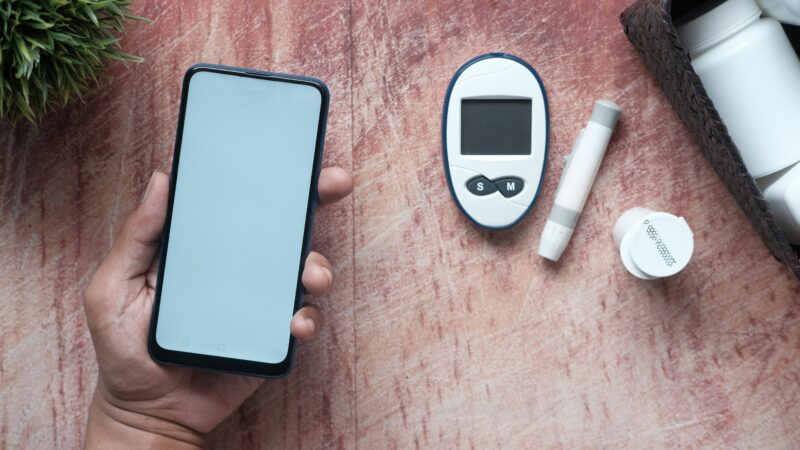
For individuals living with chronic conditions such as diabetes or hypertension, mHealth offers continuous monitoring capabilities. We’ve deployed applications that allow patients to record blood glucose levels or blood pressure readings, which are then transmitted to healthcare providers for review. This real-time data enables timely adjustments to treatment plans and can prevent serious complications. Furthermore, we’ve engaged with portable diagnostic devices that connect to smartphones, allowing for rapid, point-of-care testing in remote settings, thus expediting diagnosis and treatment initiation. The integration of these disparate data points remains a complex, ongoing endeavor.
Mobile health interventions represent a promising frontier for mitigating global health challenges, as highlighted in the article found at Mobile Health Global. This resource explores innovative strategies that leverage mobile technology to enhance healthcare delivery, improve patient engagement, and address disparities in access to medical services. By utilizing mobile health solutions, communities can better manage chronic diseases, promote preventive care, and ultimately improve health outcomes on a global scale.
The Impact on Healthcare Systems and Outcomes
Our collective research and practical implementation of mHealth interventions reveal a multi-faceted impact on healthcare systems, touching upon efficiency, accessibility, and the quality of care. We acknowledge that the degree of impact varies significantly depending on the specific intervention, the target population, and the pre-existing healthcare infrastructure.
Enhancing Accessibility and Equity
One of the most compelling aspects of mHealth is its potential to democratize access to healthcare, particularly for populations traditionally underserved due to geographical, economic, or social barriers. We’ve consistently observed that mHealth can bridge these gaps.
Reaching Underserved Populations
In rural and remote areas, where physical healthcare facilities are sparse, mHealth technology has proven invaluable. Our projects have shown that even basic mobile phones can connect individuals to health information and services they would otherwise lack. We’ve seen community health workers equipped with smartphones providing services to remote villages, recording patient data, and facilitating teleconsultations. This outreach not only improves individual health outcomes but also strengthens the overall health system by reaching previously unreached segments of the population.
Reducing Healthcare Costs
By facilitating remote consultations and preventive care, mHealth can contribute to cost efficiencies within healthcare systems. We’ve observed that timely interventions through mHealth can reduce the need for expensive emergency room visits or prolonged hospital stays. Furthermore, improved medication adherence facilitated by mHealth reminders can lead to better disease management, thereby mitigating the costs associated with chronic disease complications. However, the initial investment in mHealth infrastructure and training needs careful consideration and robust long-term planning.
Improving Service Delivery and Efficiency
Beyond accessibility, our experience indicates that mHealth can streamline healthcare processes, making service delivery more efficient and responsive. This often involves optimizing resource allocation and reducing administrative burdens.
Streamlining Data Collection and Management
Traditional paper-based data collection in healthcare is often cumbersome, error-prone, and time-consuming. We’ve widely adopted mHealth applications for electronic health record (EHR) management, allowing healthcare workers to capture patient data directly on mobile devices. This not only improves data accuracy and completeness but also enables real-time data analysis, which is critical for epidemiological surveillance and resource planning. Our teams have seen significant reductions in administrative overhead, allowing healthcare professionals to dedicate more time to direct patient care.
Supporting Health Workforce Development
mHealth platforms can be powerful tools for continuous professional development for healthcare workers, especially in remote areas where access to traditional training is limited. We’ve implemented applications that provide clinical decision support, access to up-to-date medical protocols, and educational modules. These tools empower frontline health workers with the knowledge and resources to make informed decisions, reducing referral rates for minor conditions and enhancing their overall competency. The ability to access learning resources on demand significantly contributes to their professional growth and confidence.
Challenges and Considerations in Scaling mHealth

While the promise of mHealth is undeniable, our collective work has also brought to light a series of significant challenges that must be addressed for successful and equitable scaling of these interventions. These challenges range from technological limitations to ethical considerations and the need for robust policy frameworks.
Technological and Infrastructural Barriers
Even in an increasingly connected world, significant disparities in technology access and infrastructure persist, directly impacting the feasibility and effectiveness of mHealth interventions. We acknowledge that the digital divide is a real and often geographical barrier.
Limited Connectivity and Device Access
In many of the regions where mHealth is most needed, reliable internet connectivity – especially broadband – remains scarce or prohibitively expensive. We’ve adapted by developing applications that function offline and synchronize data when a connection is available, or by utilizing simpler SMS-based platforms. Similarly, access to smartphones, while growing, is not universal, and feature phones still dominate in many communities. Our design strategies must account for these realities, avoiding over-reliance on sophisticated hardware or high-bandwidth requirements.
Data Security and Privacy Concerns
The collection and transmission of sensitive health data via mobile devices raise critical concerns about data security and patient privacy. We are acutely aware of the potential for breaches and misuse of information. Our work emphasizes the implementation of robust encryption protocols, secure authentication methods, and strict adherence to data protection regulations (where they exist). Building trust with users regarding the security of their health data is paramount for the ethical deployment and continued success of any mHealth intervention.
Integration and Interoperability
One of the persistent challenges we face is the fragmented nature of mHealth solutions. Many interventions operate in silos, making it difficult to achieve a holistic view of patient health or integrate with existing healthcare information systems.
Fragmented Systems and Lack of Standards
We often encounter situations where multiple mHealth applications are deployed for different purposes, each with its own data format and operating protocols. This fragmentation creates inefficiencies, data duplication, and hinders comprehensive patient management. The absence of universally adopted interoperability standards makes it arduous to connect these disparate systems with each other and with larger electronic health record (EHR) systems. Our advocacy increasingly focuses on the development and adoption of open standards to facilitate seamless data exchange.
Workforce Training and Acceptance
The introduction of new mHealth tools necessitates adequate training for healthcare workers, who often have varying levels of technological literacy. We’ve learned that effective training goes beyond technical skills; it involves demonstrating the value of the tool, addressing concerns about job displacement, and fostering a sense of ownership. Resistance to change, often rooted in unfamiliarity or perceived increased workload, can undermine even the most well-designed interventions. Cultivating a supportive environment and involving end-users in the design process are crucial for successful adoption.
Ethical and Societal Considerations

Our engagement with mHealth extends beyond technological and operational aspects, demanding a critical examination of the ethical and societal implications of these interventions. We recognize that technology is not value-neutral and its deployment must be guided by principles of equity, justice, and respect for human rights.
Equity and Digital Divide
While mHealth has the potential to bridge health disparities, we are also cognizant that it can inadvertently exacerbate them if not carefully implemented. The digital divide, which often mirrors socioeconomic inequalities, means that those who could benefit most from mHealth may be precisely those with the least access to the necessary technology or digital literacy.
Ensuring Inclusive Access and Design
Our commitment is to design mHealth interventions that are accessible to a broad spectrum of users, considering varying levels of literacy, linguistic diversity, and technological proficiency. This involves developing multilingual interfaces, utilizing simple user experience designs, and providing offline functionalities where possible. Furthermore, subsidizing device access or data plans for marginalized communities may be necessary to ensure equitable participation, transforming mHealth from a privilege to a widely accessible resource.
Addressing Health Literacy Gaps
Effective mHealth interventions rely on users’ ability to understand and act upon the health information provided. We’ve observed that simply delivering information through an app is insufficient if users lack the foundational health literacy to interpret complex medical terms or make informed decisions. Our projects incorporate strategies to simplify health messages, use visual aids, and integrate interactive elements that cater to different learning styles, recognizing that digital literacy alone does not equate to health literacy.
Data Governance and Privacy
The vast amounts of personal health data generated by mHealth applications necessitate robust governance frameworks and a strong commitment to privacy. We understand that public trust hinges on responsible data stewardship.
Informed Consent and Transparency
Obtaining truly informed consent for the collection and use of health data in mHealth contexts can be challenging, especially among populations with limited literacy or understanding of complex privacy policies. We strive for clear, concise, and culturally appropriate consent processes that explicitly outline what data is collected, how it will be used, who will have access to it, and for how long it will be stored. Transparency in data practices is fundamental to building and maintaining user trust.
Regulatory Frameworks and Policies
The rapid evolution of mHealth often outpaces the development of comprehensive regulatory frameworks. We operate in a landscape where regulations concerning medical device classification, data privacy, and telemedicine vary significantly across jurisdictions, or may be entirely absent. Our advocacy involves working with policymakers to develop clear, adaptable, and ethically sound regulations that protect users while fostering innovation, striking a critical balance between oversight and progress.
Mobile health interventions represent a promising frontier for mitigating the global burden of disease, as highlighted in a recent article discussing innovative strategies in this field. These interventions leverage technology to improve healthcare access and outcomes, particularly in underserved populations. By integrating mobile applications and telehealth services, healthcare providers can deliver timely support and education to patients, ultimately enhancing disease management and prevention efforts. For more insights on this topic, you can read the article on mobile health interventions here.
The Future of mHealth: Integration and Personalization
| Country | Number of Mobile Health Interventions | Impact on Global Health |
|---|---|---|
| United States | 150 | Improved access to healthcare for underserved populations |
| India | 200 | Reduced maternal and child mortality rates |
| Kenya | 100 | Increased awareness and management of infectious diseases |
As we look ahead, our collective vision for mHealth is one of increasing integration, personalization, and a deeper embedment within the broader healthcare ecosystem. We anticipate a shift from standalone applications to a more cohesive and intelligent system that truly empowers individuals and strengthens health systems globally.
Towards Integrated and Intelligent Systems
The next frontier for mHealth, as we perceive it, lies in moving beyond fragmented solutions to create seamlessly integrated and intelligent systems that leverage advanced technologies.
Artificial Intelligence and Predictive Analytics
We anticipate that Artificial Intelligence (AI) and machine learning will play an increasingly prominent role in mHealth. These technologies can analyze vast datasets from mHealth devices and EHRs to identify patterns, predict disease outbreaks, risk stratify patients, and personalize treatment recommendations. For instance, AI-powered algorithms could analyze user-reported symptoms to suggest potential diagnoses or flag individuals at high risk of developing chronic conditions, enabling earlier intervention. While the promise is significant, ethical considerations regarding algorithmic bias and accountability demand careful attention.
Interoperable Platforms and Ecosystems
Our long-term goal is the development of truly interoperable mHealth platforms that can communicate seamlessly with existing electronic health records, diagnostic laboratories, and other health information systems. This ecosystem approach will enable a holistic view of patient health, facilitate care coordination, and reduce data silos. Standardized APIs (Application Programming Interfaces) and data exchange protocols will be crucial in realizing this vision, moving us closer to a connected healthcare future.
Personalized and Preventive Care
The future of mHealth, in our view, will increasingly hinge on its ability to deliver highly personalized and proactive healthcare, moving beyond reactive treatment to preventive strategies tailored to individual needs.
Precision Health and Tailored Interventions
Leveraging genetic information, lifestyle data, and environmental factors, mHealth will increasingly facilitate precision health. We envision applications that can offer highly tailored interventions, from personalized dietary recommendations based on an individual’s microbiome to medication regimens adjusted according to genomic profiles. This level of personalization promises significantly more effective health outcomes, shifting from a one-size-fits-all approach to truly individualized care.
Empowering Individuals in Health Management
Ultimately, the future of mHealth is about empowering individuals to take a more active and informed role in managing their own health. We foresee mHealth tools becoming integral companions in daily life, providing continuous feedback, educational resources, and decision support that encourages sustained healthy behaviors. By putting powerful health management tools directly into the hands of individuals, we aim to foster a culture of proactive health maintenance rather than episodic illness treatment. This shift requires not only technological advancement but also a greater emphasis on user education and health literacy.
FAQs
What are mobile health interventions?
Mobile health interventions, also known as mHealth interventions, refer to the use of mobile technology such as smartphones, tablets, and wearable devices to support medical and public health practices.
How do mobile health interventions mitigate global health challenges?
Mobile health interventions mitigate global health challenges by providing access to healthcare services, promoting health education and behavior change, facilitating remote monitoring and management of chronic diseases, and improving healthcare delivery in resource-limited settings.
What are some examples of mobile health interventions?
Examples of mobile health interventions include mobile apps for tracking and managing health conditions, telemedicine services for remote consultations, SMS-based health education and reminders, wearable devices for monitoring vital signs, and mobile-based diagnostic tools.
What are the benefits of mobile health interventions?
The benefits of mobile health interventions include increased access to healthcare services, improved health outcomes, cost-effectiveness, enhanced patient engagement and empowerment, and the potential to reach underserved populations.
What are the challenges of implementing mobile health interventions?
Challenges of implementing mobile health interventions include ensuring data privacy and security, addressing technological barriers and disparities, integrating mHealth into existing healthcare systems, and maintaining user engagement and adherence.