Mobile Health Near Me: Accessing Convenient Care
 raiyanhaider6@gmail.com
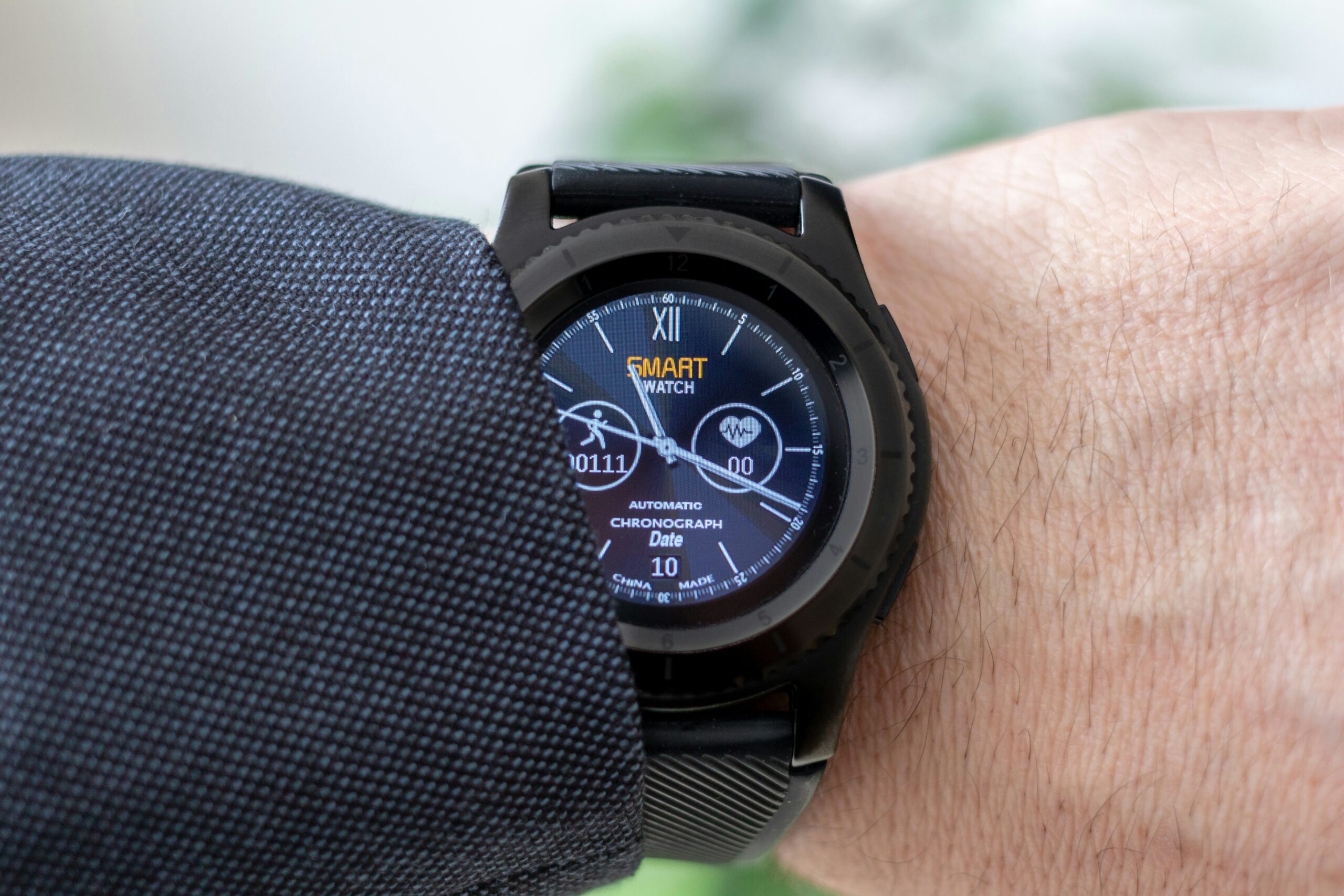
If you’re wondering about “mobile health near me” and how to get convenient care, the good news is that it’s becoming increasingly accessible. Mobile health, often referred to as mHealth, isn’t just about apps on your phone anymore; it’s about bringing healthcare services directly to you, wherever you are. This can range from telehealth appointments with doctors from your couch to in-home medical services provided by visiting nurses or mobile clinics. The primary goal is to remove barriers to care, making it easier and more efficient to manage your health and well-being.
When people hear “mobile health,” their minds often jump to health tracking apps or the ability to book appointments online. While these are certainly part of the mHealth landscape, the term encompasses a much broader spectrum of services designed to leverage mobile technology and flexible delivery models. It’s about adapting healthcare to fit into our busy lives, rather than forcing us to rearrange everything to fit into traditional clinic hours.
Telehealth: Connecting With Providers Digitally
This is probably the most common form of mobile health you’ll encounter. Telehealth allows you to consult with doctors, nurses, therapists, and other healthcare professionals remotely. Using video calls, phone calls, or secure messaging platforms, you can discuss your symptoms, get diagnoses, receive prescriptions, and discuss treatment plans without leaving your home.
What Kinds of Appointments Work Well Via Telehealth?
Many routine appointments are excellent candidates for telehealth. These include:
- Follow-up appointments: Checking in after a procedure or to monitor a chronic condition.
- Mental health counseling: Therapy sessions can be very effective through video conferencing.
- Prescription refills: For ongoing medications, getting a renewal is often straightforward.
- Reviewing test results: Discussing lab reports or imaging findings with your doctor.
- Minor illness consultations: For things like colds, flu symptoms, or common infections where a physical examination isn’t immediately critical.
How Do You Access Telehealth Services?
There are several avenues:
- Your existing healthcare provider: Many doctor’s offices and hospital systems now offer their own telehealth platforms. Check their websites or ask your current doctor if this is an option.
- Dedicated telehealth platforms: Companies specialize in providing virtual care. You can often sign up directly through their apps or websites.
- Urgent care centers: Some offer virtual urgent care for immediate, non-emergency needs.
If you’re interested in exploring the latest advancements in mobile health technology, you might find this related article on the benefits of mobile health applications particularly insightful. It discusses how these applications can enhance patient engagement and improve health outcomes. You can read more about it here: Mobile Health Global.
Remote Patient Monitoring (RPM): Keeping an Eye on Your Health Proactively
Remote Patient Monitoring takes the “mobile” aspect a step further by using devices to collect health data from you at home and transmit it to your healthcare provider. This is particularly useful for managing chronic conditions.
Types of Devices Used in RPM
You might be familiar with some of these already:
- Blood pressure monitors: Transmit readings wirelessly.
- Glucose meters: For individuals with diabetes.
- Smart scales: Track weight and body composition.
- Wearable devices: Some smartwatches or fitness trackers can monitor heart rate, activity levels, and even ECG readings.
- Pulse oximeters: Measure oxygen saturation.
Benefits of Remote Patient Monitoring
RPM offers significant advantages for both patients and providers:
- Early detection of issues: Providers can spot subtle changes in your health data before you might even notice symptoms, allowing for earlier intervention.
- Reduced hospitalizations: By managing chronic conditions more effectively at home, the need for emergency room visits or hospital stays can be lowered.
- Personalized care: Data from RPM can provide a clearer picture of how treatments are working for you, allowing for adjustments.
- Convenience and peace of mind: You don’t need to constantly visit the doctor’s office for routine checks.
Mobile Clinics: Healthcare Delivered to Your Doorstep (Literally)
Mobile clinics are essentially healthcare facilities that come to you. These can take various forms, from vans outfitted as examination rooms to larger mobile units that can offer a range of services. They are designed to reach underserved populations, rural areas, or simply offer greater convenience for those with mobility issues or busy schedules.
What Services Do Mobile Clinics Typically Offer?
The services vary depending on the clinic’s specialty, but common offerings include:
- Primary care services: Routine check-ups, minor ailment treatment, and preventative care.
- Screenings: Blood pressure, cholesterol, diabetes, and certain cancer screenings.
- Vaccinations: Flu shots,
- Specialty services: Some mobile clinics might focus on dental care, vision exams, or women’s health.
- Lab work and diagnostics: Basic blood tests or X-rays might be available.
How Do You Find Mobile Clinics in Your Area?
Finding mobile clinics can sometimes require a little more digging:
- Local health departments: They often have information on mobile health initiatives and upcoming clinic locations.
- Community organizations: Non-profits, religious institutions, or community centers may partner with mobile clinics or know about their schedules.
- Hospital systems: Some hospitals operate their own mobile outreach programs.
- Online searches using specific keywords: Try searching for “mobile health clinic [your city/region],” “community health van,” or “[specific service] mobile clinic.”
Home Healthcare Services: Medical Care in Your Familiar Surroundings
This category encompasses a wide range of professional medical services provided in your home. While it might not always involve cutting-edge technology, it’s a vital component of mobile health that prioritizes comfort and personal care.
When Might Home Healthcare Be Necessary?
Home healthcare is often prescribed for:
- Post-operative recovery: After surgery, a nurse or therapist can help with wound care, physical therapy, and medication management.
- Managing chronic conditions: For conditions like heart failure, COPD, or diabetes, skilled nurses can provide ongoing care, education, and support.
- Elderly care: Assisting with daily living activities, medication reminders, and monitoring for changes in health status.
- Rehabilitation: Physical, occupational, or speech therapy can be conducted at home.
- Palliative or hospice care: Providing comfort and support for individuals with serious illnesses.
Who Provides Home Healthcare?
These services are typically delivered by:
- Registered Nurses (RNs) and Licensed Practical Nurses (LPNs): For medical assessments, wound care, IV therapy, and patient education.
- Therapists: Physical, occupational, and speech therapists to aid recovery and improve function.
- Home Health Aides (HHAs) and Certified Nursing Assistants (CNAs): To assist with personal care, such as bathing, dressing, and meal preparation, under the supervision of a nurse.
Mobile health services have become increasingly important in providing accessible healthcare solutions to communities. For those looking to explore options available in their area, a recent article discusses innovative mobile health initiatives that are transforming patient care. You can read more about these advancements and find resources tailored to your location in the article on mobile health near you by following this link. This resource can help you discover how technology is bridging the gap between patients and healthcare providers.
Navigating Insurance and Costs for Mobile Health Services
One of the most practical considerations when accessing any healthcare service is understanding the financial aspect. Mobile health is no different, and the coverage and costs can vary.
Insurance Coverage for Telehealth
Generally, telehealth services are increasingly being covered by insurance plans. However, there can be nuances:
- Provider networks: Ensure the telehealth provider you’re using is in-network with your insurance.
- Type of service: Some insurers may have different co-pays or coverage levels for virtual vs. in-person visits.
- State regulations: Laws regarding telehealth reimbursement can vary by state.
- Medicare and Medicaid: Coverage for telehealth has expanded significantly for these programs, especially since the pandemic. It’s worth checking the specific guidelines for your plan.
Cost of Mobile Clinics and Home Healthcare
The cost structure for these services is also diverse:
- Mobile clinics: Often operate on a sliding fee scale based on income, or they may accept various insurance plans, including Medicaid and Medicare. Some may offer services for free or at a very low cost as part of community health initiatives.
- Home healthcare agencies: These are usually covered by Medicare, Medicaid, private insurance, or private pay. Medicare typically covers skilled nursing care and physical therapy for a limited time if it’s deemed medically necessary. Longer-term or non-medical care might not be fully covered by Medicare and may require alternative payment methods.
Tips for Understanding Your Costs
- Verify coverage upfront: Before your appointment or service, contact your insurance provider and the healthcare service directly to confirm what will be covered and what your out-of-pocket costs will be.
- Ask about payment plans: If you have a significant bill, see if payment plans are available.
- Explore free or low-cost options: For those facing financial barriers, actively seek out community health centers, mobile clinics with sliding scales, or local non-profits that offer assistance.
Finding “Mobile Health Near Me”: Practical Steps
It might seem like a challenge to locate these services, but with a few targeted strategies, you can find what you need.
Start with Your Current Healthcare Providers
Your primary care physician or specialist is often the best starting point. They can:
- Recommend telehealth platforms they use.
- Point you towards in-home care agencies they trust.
- Inform you if their practice offers any mobile services.
Utilize Online Resources and Apps
The digital landscape offers numerous tools:
- Search engines: Use precise keywords like “telehealth doctor [your city],” “mobile blood pressure screening [your zip code],” or “in-home nursing care services.”
- Healthcare provider directories: Websites like Zocdoc, Psychology Today, or even your insurance company’s provider portal can help you find and filter for telehealth or in-home options.
- Specific mHealth apps: While not all are clinical, apps like Teladoc, Doctor On Demand, or Amwell connect you with virtual healthcare providers.
Connect with Local Community Resources
Don’t overlook the power of local connections:
- Local health departments: They are a treasure trove of information on public health initiatives and services, including mobile clinics and screenings.
- Community centers and libraries: Many offer health information sessions, screenings, or know about local mobile services.
- Senior centers: If you or a loved one is aging, these centers often have information on home care and mobile health tailored for seniors.
Ask for Referrals
Word-of-mouth is powerful:
- Friends, family, and neighbors: If someone you know has used mobile health services, ask about their experience and how they found the provider.
- Pharmacists: They can often be a good resource for information on local health services and community screenings.
By combining these approaches, you can effectively locate and access the convenient mobile health services that are available to you, ensuring your healthcare needs are met with greater ease and flexibility.