Mobile Hospital: Bringing Healthcare Anywhere
 raiyanhaider6@gmail.com
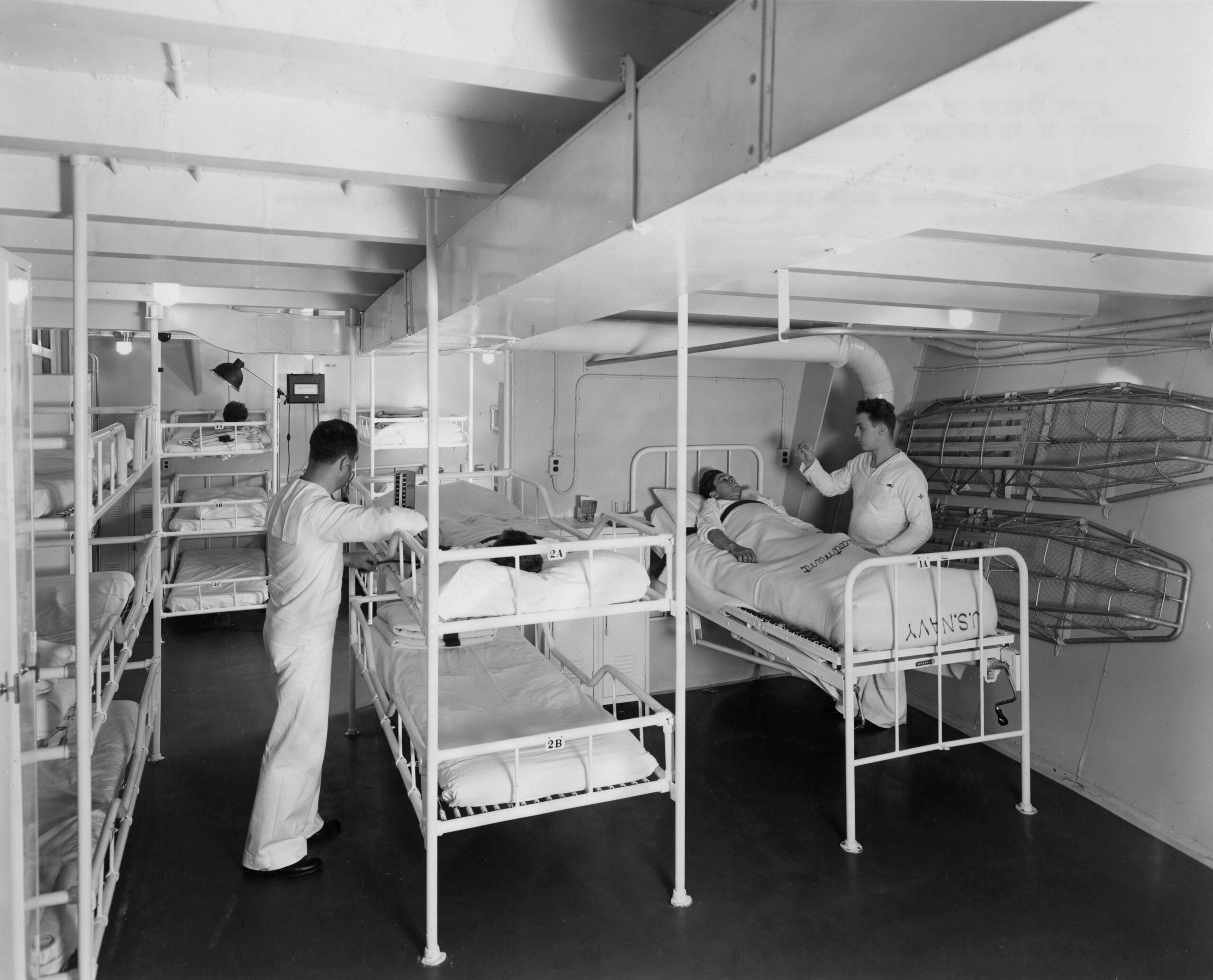
Mobile hospitals, at their core, are exactly what they sound like: healthcare facilities designed to be portable and deployed anywhere they’re needed. Think of them as adaptable medical units that can set up shop, providing a range of services from basic check-ups to complex surgical procedures, far beyond the traditional brick-and-mortar hospital walls. This adaptability is key – it means healthcare can reach communities impacted by disasters, provide ongoing care in remote areas, or even expand existing hospital capacity during peak times. They offer a practical solution to accessibility challenges, bringing necessary medical intervention directly to the point of need.
The push for mobile hospitals isn’t just a futuristic fantasy; it’s a direct response to a host of real-world challenges. Traditional healthcare infrastructure, while invaluable, has limitations. Mobile solutions step in to address these gaps, making healthcare more agile and responsive.
Reaching Underserved Populations
Many communities, particularly in rural or remote areas, struggle with access to even basic medical care. The nearest hospital might be hours away, making routine check-ups difficult and emergency situations perilous.
- Bridging Geographic Gaps: Mobile units can travel directly to these communities, reducing travel burdens for patients and ensuring they receive timely care. This is crucial for chronic disease management and preventative health.
- Addressing Socioeconomic Barriers: For some, cost or lack of transportation can be major hurdles to accessing healthcare. Mobile clinics sometimes offer free or reduced-cost services, making healthcare more equitable.
- Cultural Sensitivity: Some mobile units are designed to be culturally sensitive, with staff who understand local customs and languages, fostering greater trust and engagement from community members.
Disaster Response and Emergency Situations
When natural disasters strike, existing hospitals can be overwhelmed, damaged, or completely inaccessible. Mobile hospitals become lifelines in such scenarios.
- Immediate Medical Aid: They can be deployed rapidly to provide emergency medical care, triage injuries, perform minor surgeries, and stabilize patients before transport to permanent facilities. This direct, on-site care can significantly reduce mortality rates.
- Infrastructure Replacement: In cases where hospitals are destroyed, mobile units can act as temporary replacements, ensuring continuity of essential health services like wound care, vaccinations, and critical care.
- Public Health Surveillance: Beyond immediate treatment, mobile units can also play a role in public health by monitoring disease outbreaks and providing preventative measures in affected areas, preventing secondary crises.
Expanding Hospital Capacity
Even in well-equipped areas, traditional hospitals can face periods of strain, whether due to seasonal illnesses, unexpected emergencies, or even planned events that draw large crowds.
- Surge Capacity: Mobile units can quickly augment existing hospital beds, operating theaters, or diagnostic services, preventing bottlenecks and ensuring all patients receive care. This flexible capacity is a game-changer during pandemics or large-scale emergencies.
- Specialized Services: Rather than just basic care, some mobile units are equipped for specialized services, like mobile surgery units or diagnostic labs, which can relieve pressure on overloaded hospital departments.
- Event Medicine: For large public gatherings, sporting events, or festivals, mobile medical units can provide on-site first aid and emergency care, reducing the burden on local emergency services.
Mobile hospitals are revolutionizing healthcare delivery, particularly in remote and underserved areas. For a deeper understanding of this innovative approach, you can read an insightful article on the topic at Mobile Health Global, which explores the various benefits and challenges associated with mobile healthcare units. This resource highlights how mobile hospitals can enhance access to medical services and improve patient outcomes in diverse communities.
The Diverse Anatomy of a Mobile Hospital
Mobile hospitals aren’t a one-size-fits-all solution. They come in various forms, each designed for specific purposes and levels of care. The technology and infrastructure packed into these units are surprisingly sophisticated.
Types of Mobile Units
The variety of mobile units reflects the diverse needs they address. Each type is tailored for particular medical services and deployment scenarios.
- Basic Clinic Vans: These are often the simplest form, typically fitted into vans or small buses. They provide primary care services like examinations, vaccinations, basic wound care, and health screenings. They are ideal for community outreach and preventative health programs due to their maneuverability.
- Specialized Medical Trailers: These larger units are often pulled by trucks and can expand to create multiple rooms. They might house dental clinics, optometry services, mammography units, or even psychiatric consultation rooms. Their size allows for more specialized equipment and privacy.
- Modular Hospital Structures: These are perhaps the most comprehensive. They consist of multiple interconnected modules (containers or tents) that can be assembled to form a full-fledged hospital. They can include operating theaters, intensive care units (ICUs), pharmacies, laboratories, and patient wards. They are built for longer-term deployments and higher acuity care.
Key Equipment and Technology
The effectiveness of a mobile hospital hinges on the advanced equipment it can bring to the field. These aren’t just basic examination rooms; many are miniature versions of fixed medical facilities.
- Diagnostic Tools: From basic stethoscopes and blood pressure cuffs to portable X-ray machines, ultrasound devices, and even mobile MRI scanners, diagnostic capabilities are crucial for accurate assessments. Point-of-care testing (POCT) for blood work and infectious diseases is also common.
- Surgical Capabilities: Some mobile units are equipped with sterile operating theaters, complete with anesthesia machines, surgical instruments, and recovery areas. These allow for emergency surgeries and minor procedures to be performed on-site.
- Telemedicine Integration: This is a vital component, allowing remote specialists to consult with on-site staff, interpret diagnostic images, and even participate in patient examinations. High-speed, secure internet connections are paramount for this.
- Power and Connectivity: Mobile units require robust power sources (generators, solar panels) and reliable communication systems (satellite internet, mobile broadband) to operate effectively, especially in areas with limited infrastructure.
Operational Considerations and Challenges

Deploying and operating a mobile hospital isn’t as simple as driving a vehicle to a location. There are significant logistical, staffing, and regulatory hurdles that need careful navigation.
Logistical Headaches
Moving and setting up a fully functional medical facility in a new environment presents unique challenges that require meticulous planning.
- Transportation and Infrastructure: Getting large units, especially modular hospitals, to remote or disaster-stricken areas can be difficult due to damaged roads, impassable terrain, or lack of proper offloading equipment. Pre-surveying routes is essential.
- Site Preparation: Even once on-site, the chosen location needs to be level, accessible, and potentially require utility hook-ups (water, electricity, waste disposal) if not entirely self-sufficient.
- Supply Chain Management: Maintaining a steady supply of medications, medical consumables, food, and fuel in a shifting location is complex. Robust inventory management and resupply routes are critical, especially for longer deployments.
Staffing and Training
Medical staff in mobile hospitals often work in challenging conditions, requiring a specific skillset beyond their clinical expertise.
- Multidisciplinary Teams: Mobile units often require a compact team of professionals who can adapt to various roles – doctors, nurses, paramedics, lab technicians, and even support staff for logistics and security.
- Adaptability and Resilience: Staff must be prepared for unpredictable environments, limited resources, and intense workloads. Training often includes disaster medicine, field trauma, and psychological resilience.
- Cross-Cultural Competence: In international deployments or diverse local communities, staff need to be aware of and respectful of local customs, languages, and health beliefs to provide effective and sensitive care.
Regulatory and Ethical Quandaries
Operating across different jurisdictions or in emergency situations can bring up a host of legal and ethical considerations that are less common in fixed facilities.
- Licensing and Accreditation: Medical licenses and facility accreditations vary widely by region and country. Ensuring compliance for a mobile unit moving across borders or within different states can be a bureaucratic maze.
- Informed Consent in Emergencies: Obtaining proper informed consent can be challenging in chaotic disaster scenarios where patients may be disoriented or unable to communicate clearly. Ethical guidelines adapted for emergency contexts are crucial.
- Data Privacy and Security: Protecting patient data in potentially insecure or temporary network environments, especially with telemedicine, requires robust cybersecurity measures and strict adherence to privacy regulations.
- Waste Management: Proper disposal of medical waste, including hazardous materials, is a critical environmental and public health concern that must be managed responsibly, often without established infrastructure.
The Impact and Evolving Future

Mobile hospitals are already making a tangible difference in global healthcare, and their potential continues to grow with technological advancements and evolving needs.
Success Stories and Real-World Impact
Looking at where mobile hospitals have been deployed provides concrete examples of their efficacy and life-saving potential.
- Disaster Relief: Following the Haitian earthquake, dedicated mobile surgical hospitals were instrumental in providing emergency trauma care, preventing countless deaths and disabilities. Similarly, in the wake of hurricanes or tsunamis, mobile units have quickly set up base to address immediate medical needs.
- Remote Healthcare Access: In expansive countries like Australia or Canada, mobile clinics regularly visit aboriginal communities or isolated settlements, offering preventative care, chronic disease management, and specialized services that would otherwise be entirely inaccessible.
- Pandemic Response: During the COVID-19 pandemic, mobile field hospitals were rapidly deployed to expand hospital bed capacity, provide testing facilities, and even vaccinate populations in various countries, demonstrating their flexibility in a global health crisis.
Innovations and Future Trends
The field of mobile healthcare is far from static. Continuous innovation is pushing the boundaries of what these portable units can achieve.
- Advanced Robotics and Automation: Imagine robotic surgical assistants in a mobile operating room, or automated dispensing pharmacies. This can enhance precision, reduce human error, and allow fewer staff to manage more complex tasks.
- AI-Powered Diagnostics: Artificial intelligence can aid in interpreting diagnostic images (like X-rays or ultrasounds) or analyzing patient data for quicker, more accurate diagnoses, especially invaluable in environments where specialist expertise is limited.
- Sustainable Power Solutions: Greater reliance on renewable energy sources like enhanced solar panels, wind turbines, and advanced battery storage will make mobile hospitals more environmentally friendly and less reliant on fossil fuels, which are often scarce in disaster zones.
- Miniaturization of Equipment: As medical technology becomes smaller and more efficient, more advanced diagnostic and treatment tools can be packed into smaller, more maneuverable mobile units, further expanding their reach and capabilities.
- Integrated Communication Hubs: Future mobile hospitals will likely feature even more advanced, robust, and secure communication systems, acting as true hubs for telemedicine, data sharing, and coordination with larger healthcare networks. This will allow highly complex cases to be managed in collaboration with remote specialists, effectively blurring the lines between a mobile unit and a central hospital.
Mobile hospitals are becoming increasingly important in providing healthcare services in remote areas and during emergencies. For a deeper understanding of how these facilities operate and their impact on public health, you can read a related article that explores innovative healthcare solutions. This article highlights the challenges and benefits of deploying mobile hospitals in various situations, showcasing their role in enhancing access to medical care. To learn more about this topic, check out the article here.
Conclusion: A Flexible Force for Health
“`html
| Mobile Hospital Metrics | Value |
|---|---|
| Number of Beds | 50 |
| Medical Staff | 20 |
| Number of Ambulances | 3 |
| Operating Hours | 24/7 |
“`
Mobile hospitals are not just a temporary fix; they represent a fundamental shift in how healthcare can be delivered. They are a practical, adaptable force, bringing essential medical services to the front lines of need, whether that’s a remote village, a disaster zone, or an overwhelmed urban center. By embracing innovative technology and overcoming logistical hurdles, these portable facilities are proving to be an increasingly vital component of a resilient and equitable global healthcare system. Their role will only continue to grow as we face new challenges and strive for universal access to quality care.