Mobile Medical Services: Bringing Healthcare to Your Doorstep
 raiyanhaider6@gmail.com
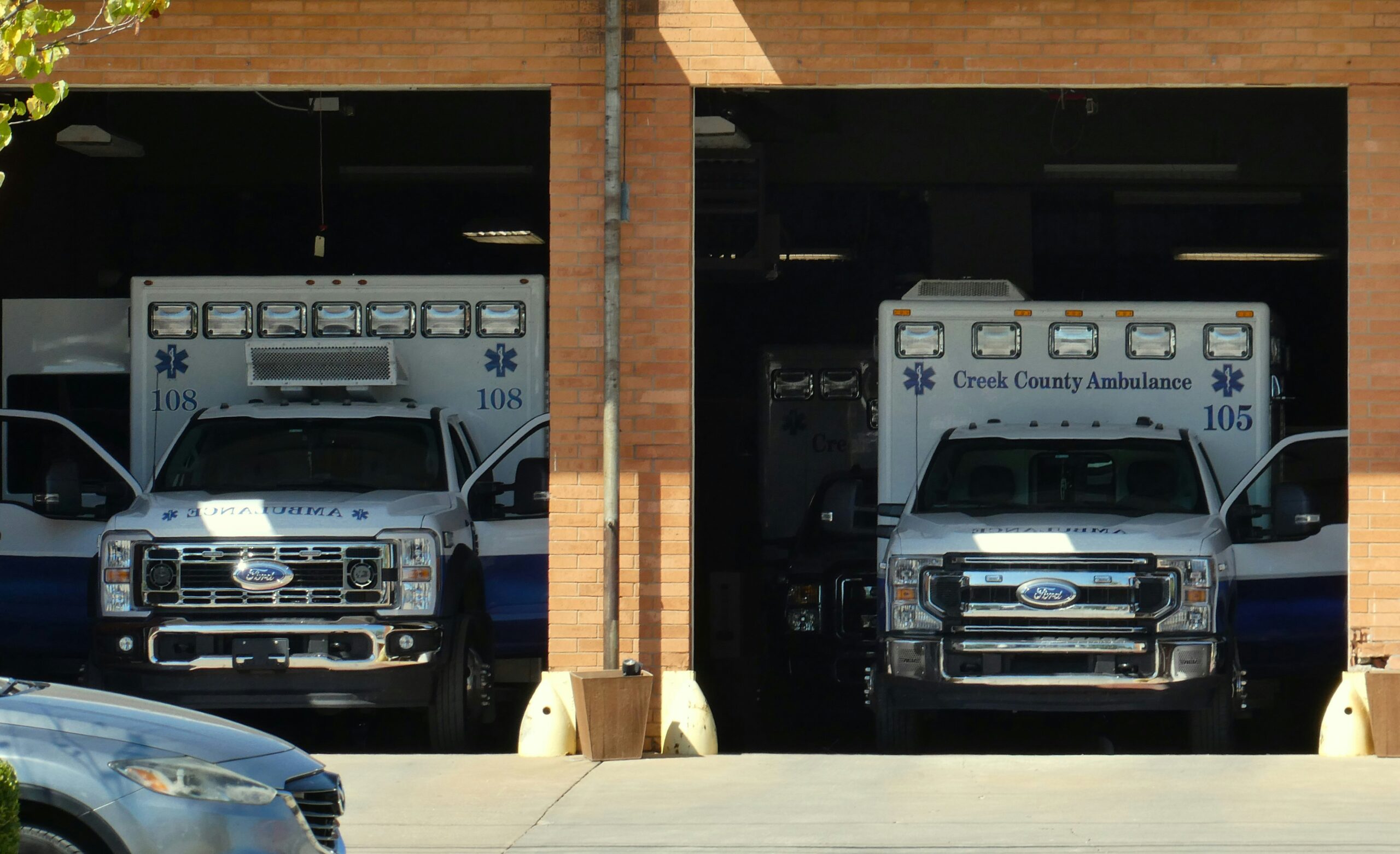
You’re probably curious about whether mobile medical services are a good fit for you or someone you care about. The short answer is: yes, they can be incredibly helpful, especially when getting to a traditional doctor’s office is a hassle. Think of it as the doctor coming to you, making healthcare more accessible, particularly for those who have difficulty with mobility, have busy schedules, or are dealing with chronic conditions.
What Exactly Are Mobile Medical Services?
Mobile medical services, sometimes called house-call healthcare or mobile clinics, are exactly what they sound like: healthcare providers who bring medical care directly to patients’ homes, workplaces, or sometimes even assisted living facilities. This isn’t a new concept – doctors have been making house calls for a long time – but modern technology and a renewed focus on patient convenience have revitalized and expanded these offerings.
These services can range from general practitioners and nurses making routine check-ups to specialized teams offering more complex care, like physical therapy, wound care, or even diagnostic services such as X-rays and blood tests on-site. The goal is always to bridge the gap between needed medical attention and the barriers that might prevent someone from seeking it.
Mobile medical services are revolutionizing healthcare delivery, providing essential care to underserved populations. For a deeper understanding of the impact and implementation of these services, you can read a related article on this topic at Mobile Health Global, which explores innovative solutions and case studies in the field of mobile health.
Who Benefits Most from Mobile Healthcare?
While anyone can benefit from the convenience, some groups find mobile medical services particularly invaluable.
Seniors and Those with Mobility Challenges
This is perhaps the most obvious group. For individuals who struggle to walk, drive, or navigate crowded waiting rooms, a mobile medical service means they don’t have to endure the stress and discomfort of traveling to an appointment. It allows them to receive essential care without leaving the safety and familiarity of their own homes, which can significantly improve their quality of life and adherence to treatment plans.
Reduced Physical Strain
The simple act of getting ready, traveling, and waiting can be exhausting for someone with limited mobility. Mobile services eliminate this entire ordeal, allowing them to focus their energy on their health and recovery.
Familiar and Comfortable Environment
Receiving care in a familiar setting can be less stressful and more reassuring for many patients, especially those who may experience anxiety in clinical environments.
Individuals with Chronic Conditions
Managing a chronic illness often involves frequent doctor’s visits, follow-ups, and monitoring. For those dealing with conditions like diabetes, heart disease, or respiratory illnesses, mobile healthcare can streamline this process.
Consistent Monitoring
Regular check-ups and vital sign monitoring can be more easily integrated into a person’s daily routine when the provider comes to them. This can lead to earlier detection of complications and better management of their condition.
Reduced Risk of Exposure
For individuals with compromised immune systems, avoiding public spaces like clinics and hospitals can be crucial. Mobile services offer a way to receive care without the risk of exposure to infectious diseases.
Busy Professionals and Families
In today’s fast-paced world, finding time for a doctor’s appointment can feel like an impossible task. Mobile medical services offer a practical solution.
Time Savings
Eliminating travel and waiting room time means appointments can often be shorter and fit more easily into a packed schedule. This can prevent missed appointments and ensure continuity of care.
Convenience for Families
For parents with young children or those caring for elderly relatives, coordinating multiple appointments can be a logistical nightmare. Having a medical professional come to the home simplifies this significantly.
Patients Needing Post-Hospital Care
After a hospital stay, patients often need follow-up care, wound management, or rehabilitation. Mobile services can provide this support at home, aiding in faster recovery and reducing the need for readmission.
Seamless Transition
The transition from hospital to home can be challenging. In-home care ensures that medical needs are met consistently during this critical period.
Specialized Wound Care
For patients with surgical incisions or pressure sores, specialized wound care at home can prevent infection and promote healing, often with better outcomes than managing it themselves.
What Kind of Services Can You Expect?
The scope of mobile medical services is broad and continues to expand. It’s not just about quick check-ups anymore.
Primary Care and General Check-ups
Many mobile services offer the equivalent of a primary care physician’s visit. This can include:
- Annual Physicals: Just like you’d get at a clinic.
- Sick Visits: For common illnesses like colds, flu, or infections.
- Management of Minor Ailments: Addressing issues that arise without requiring a full clinic visit.
- Prescription Refills: For stable, ongoing medications.
Seasonal Flu Shots and Vaccinations
These can be conveniently administered at home, especially beneficial for those who find it difficult to get to a pharmacy or clinic.
Basic Health Screenings
Including blood pressure checks, blood sugar monitoring, and cholesterol level checks.
Chronic Disease Management
For individuals managing long-term health conditions, mobile services are a game-changer. They can help with:
- Diabetes Management: Blood glucose monitoring, education, and adjustment of treatment plans.
- Heart Disease Monitoring: Tracking blood pressure, heart rate, and educating on lifestyle modifications.
- Respiratory Illness Care: Managing conditions like COPD or asthma, including medication reviews and breathing treatments.
- Arthritis and Pain Management: Assessing pain levels, recommending exercises, and managing pain medication.
Nutrition and Dietician Consultations
Some mobile services may partner with or include nutritionists who can provide advice tailored to chronic conditions.
Medication Management and Review
Ensuring patients are taking their medications correctly and identifying potential interactions or side effects.
Specialized Mobile Services
Beyond general care, a growing number of specialized services are available:
- Wound Care: Professional management of complex wounds, including debridement and dressing changes. This is particularly important for diabetic ulcers or post-surgical wounds.
- Physical Therapy and Rehabilitation: In-home sessions to help patients regain strength and mobility after injury or surgery. Therapists can assess the home environment to recommend modifications for safety.
- Diagnostic Services: Some mobile units are equipped with portable X-ray machines, ultrasound devices, or lab equipment for on-the-spot diagnostics. This can significantly reduce the need for further travel.
- Palliative Care and Hospice Support: Providing comfort and symptom management for patients with serious illnesses at home.
- Mental Health Services: Therapists and psychiatrists can offer consultations and ongoing support in the comfort of the patient’s home. This can be particularly beneficial for individuals with phobias or severe anxiety.
In-Home Phlebotomy
For patients who need regular blood draws, having a phlebotomist come to their home eliminates the need to visit a lab.
Home Infusion Therapy
Administering IV medications at home for various conditions, under the supervision of skilled nurses.
Urgent Care and Minor Procedure Capabilities
While most mobile services focus on scheduled appointments, some can handle more urgent, non-life-threatening situations.
Urgent Assessments
For conditions that need prompt attention but aren’t severe enough for an emergency room visit, like a sudden, concerning rash or a minor injury.
Minor Laceration Repair
Some mobile teams can perform limited procedures like stitching up small cuts, avoiding the need for an ER visit.
How Does Mobile Medical Care Work Logistically?
Understanding the practicalities can make it easier to decide if this is the right option for you.
Booking an Appointment
The process is usually straightforward, often similar to booking a traditional appointment.
- Online or Phone: Most services have websites or phone numbers where you can schedule appointments. You’ll typically provide your medical history, insurance information, and details about the reason for your visit.
- Referral: Sometimes, a primary care physician or hospital discharge planner may recommend a mobile medical service.
Initial Consultation
The service will likely have an intake process to understand your needs and confirm they can provide the required care.
Scheduling and Confirmation
Once your needs are assessed, you’ll be given available appointment slots. Most services will confirm the appointment a day or two in advance.
The Mobile Healthcare Visit
When the provider arrives, the experience is designed to be efficient and patient-centered.
- The “Clinic” Comes to You: The healthcare professional arrives with the necessary equipment and supplies, sometimes in a specially equipped vehicle.
- Comprehensive Assessment: They will conduct a thorough assessment, similar to what you’d receive in an office. This includes taking vital signs, listening to your concerns, and performing a physical examination.
- On-the-Spot Capabilities: Depending on the service, they might be able to perform basic tests, administer injections, or adjust medications during the visit.
- Record Keeping: Your medical records are updated, and your primary care physician (if you have one) will usually be informed of the visit and any treatment provided.
What to Prepare
- Medical History: Have a summary of your medical conditions, medications, and allergies ready.
- Insurance Information: Keep your insurance card handy.
- Questions: Jot down any questions or concerns you have for the provider.
- Space: Ensure there’s adequate space for the provider to conduct the examination comfortably.
Follow-up Care and Prescriptions
Mobile services often integrate seamlessly with ongoing care.
- Prescription Management: If new prescriptions are needed, they can be sent electronically to your pharmacy.
- Referrals: If you require further specialized care, the mobile provider can facilitate referrals to specialists.
- Follow-up Appointments: Scheduling follow-up visits for monitoring or continued treatment is also part of the service.
Communication with Your PCP
Most reputable mobile services prioritize communication with a patient’s established primary care physician to ensure coordinated care. This usually involves sending visit summaries and treatment plans.
Mobile medical services are transforming healthcare delivery by providing essential medical care directly to patients in their homes or communities. This innovative approach not only increases accessibility but also enhances patient engagement and satisfaction. For a deeper understanding of how these services are evolving and their impact on public health, you can read a related article on the subject. Check out this insightful piece that explores the future of mobile healthcare here.
Cost and Insurance Considerations
The financial aspect is a key consideration for anyone exploring healthcare options.
Insurance Coverage
The extent to which mobile medical services are covered by insurance can vary significantly.
- Medicare and Medicaid: Many mobile services are covered by Medicare and Medicaid, especially for homebound individuals or those requiring specific types of care. It’s essential to verify coverage specifics with both the provider and your respective government program.
- Private Insurance: Private health insurance plans are increasingly covering these services, particularly when deemed medically necessary. Coverage often depends on the specific plan benefits and the diagnosis.
Verifying Coverage
Always contact your insurance provider before scheduling a service to confirm what will be covered. Ask about deductibles, co-pays, and any prior authorization requirements.
Out-of-Pocket Costs
If insurance doesn’t cover the full cost, or if you don’t have insurance, you’ll likely incur out-of-pocket expenses.
- Service Fees: Mobile providers will have a fee structure for their services, which can vary based on the type of visit and services rendered.
- Comparison Shopping: If you are paying out-of-pocket, it’s wise to compare pricing between different mobile medical service providers in your area.
- Payment Plans: Some providers may offer payment plans to make costs more manageable.
Understanding the Value
While cost is important, consider the overall value. For some, the reduced stress, time savings, and improved health outcomes provided by mobile care can outweigh the direct cost.
Choosing the Right Mobile Medical Service Provider
With the growing number of options, selecting the right provider is crucial for a good experience.
Research and Due Diligence
Don’t just go with the first service you find. Take some time to gather information.
- Credentials and Licensing: Ensure the providers are licensed and certified in your state. Look for physician-led services or those with qualified nurses and medical professionals.
- Reviews and Testimonials: Check online reviews and ask for testimonials from other patients. This can give you insight into the quality of care and patient satisfaction.
- Services Offered: Confirm that the provider offers the specific services you need. Not all mobile services are created equal, and some specialize in certain areas.
Scope of Practice Limitations
Understand what the service can and cannot do. They are not typically equipped to handle life-threatening emergencies. Knowing these limitations helps manage expectations and ensures you seek appropriate care when needed.
Communication and Responsiveness
How the service communicates with you can tell you a lot about their approach to care.
- Ease of Scheduling: Is it easy to get in touch and book an appointment?
- Clear Information: Do they provide clear information about services, costs, and expectations?
- Follow-up Procedures: How do they handle follow-up care and communication with your existing doctors?
Availability and Service Area
Check if the provider’s service area covers your location and if their availability matches your needs. Some services operate within specific geographic boundaries or have limited appointment slots.
Integrated Care Approach
A good mobile medical service will understand the importance of integrated care.
- Coordination with Existing Doctors: They should be willing and able to communicate with your regular physician to ensure your care is coordinated and your medical history is complete. This collaboration helps prevent duplicate tests or conflicting treatment plans.
- Comprehensive Treatment Plans: The service should offer a holistic approach, considering not just the immediate concern but an overall plan for your health and well-being.
By understanding the benefits, services, logistics, costs, and how to choose a provider, you can make an informed decision about whether mobile medical services are the right fit for your healthcare needs. It’s a valuable option that is making healthcare more accessible and patient-centered for many.