Mobile Medical Van: Bringing Healthcare to Your Neighborhood
 raiyanhaider6@gmail.com
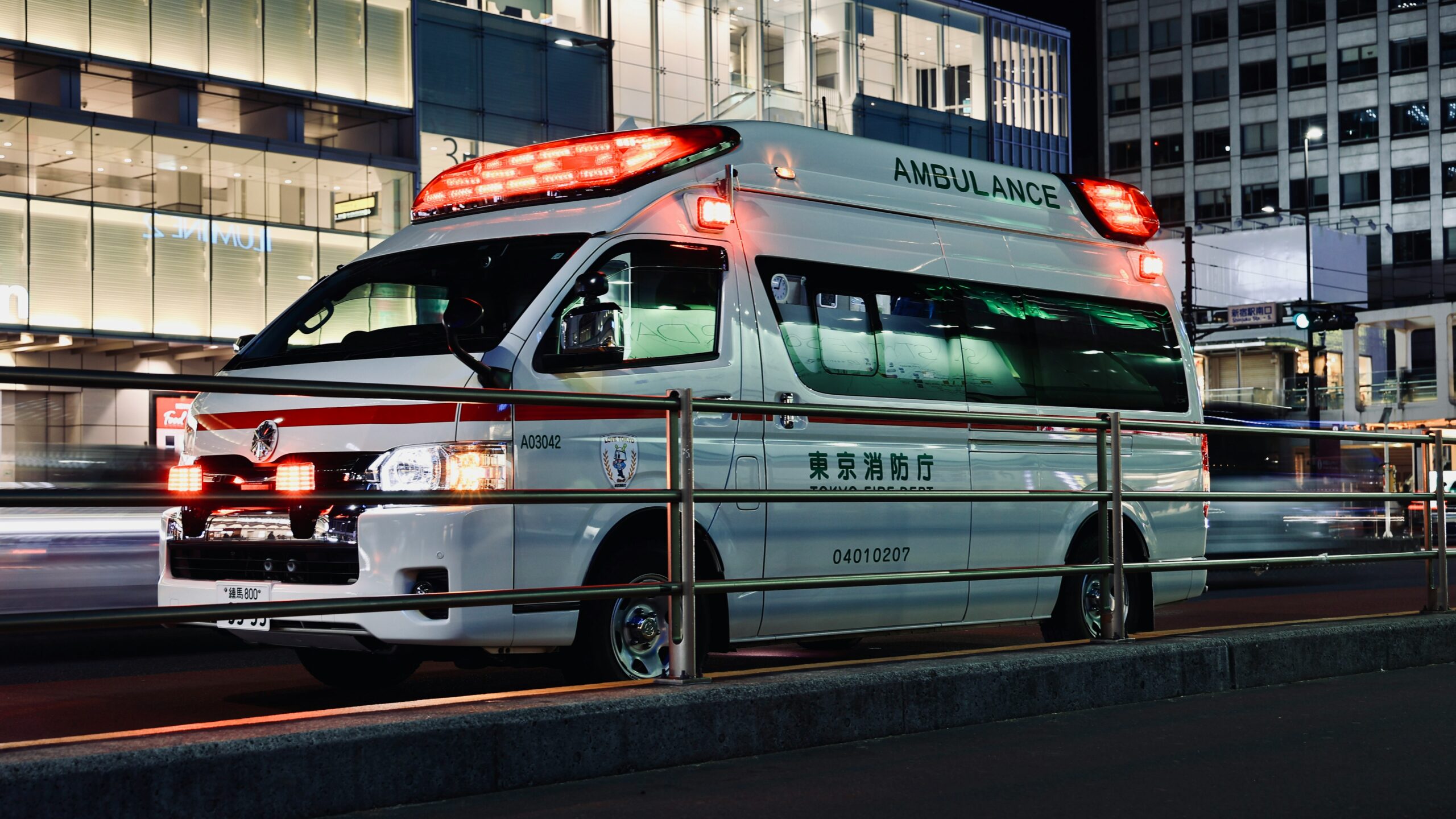
Mobile medical vans are essentially clinics on wheels, bringing a range of healthcare services directly to where people live and work. Think of them as bringing the doctor’s office, or even a small hospital service, to your doorstep, especially if getting to a traditional clinic is a challenge.
A mobile medical van is a vehicle that’s been converted into a fully functional healthcare facility. These aren’t just simple vans with a doctor in the back; they are equipped with examination rooms, diagnostic equipment, and often specialized medical gear, all designed to provide comprehensive care while being mobile. They serve as a crucial link for individuals who might face barriers to accessing regular healthcare.
The Core Functionality
At its heart, a mobile medical van’s purpose is to extend the reach of healthcare services. This means they are outfitted to perform a variety of medical tasks, from routine check-ups and vaccinations to more specific screenings and even minor treatments. The key is portability; they can travel to different locations, be it a rural community, a busy urban neighborhood, a workplace, or a community event.
Beyond Basic Check-ups
While routine care is a significant part of what these vans offer, their capabilities often extend much further. Depending on the van’s specialization, they might carry ultrasound equipment, laboratory testing capabilities for blood work, dental chairs, or even equipment for mental health consultations. This versatility makes them a valuable asset for addressing diverse health needs within a community.
For those interested in the evolving role of medical vans in enhancing healthcare accessibility, you may find the article on Mobile Health Global particularly insightful. It discusses innovative strategies and technologies that are being implemented in mobile health units to improve patient care in underserved areas. You can read more about it in the article here: Mobile Health Global.
Why Are Mobile Medical Vans Important?
The importance of mobile medical vans lies in their ability to overcome many of the common obstacles that prevent people from receiving timely and accessible healthcare. They address logistical, financial, and social barriers, making a tangible difference in public health outcomes.
Bridging the Access Gap
One of the most significant roles of mobile medical vans is bridging the “access gap.” For individuals living in remote areas, those with limited transportation options, or those who struggle with the time commitment required for appointments at traditional clinics, these vans bring care to them. This ensures that preventative services and necessary treatments aren’t delayed due to geographical or logistical challenges.
Serving Underserved Populations
Mobile medical services are particularly vital for underserved populations. This includes low-income individuals, the elderly, those experiencing homelessness, and ethnic or racial minority groups who may face systemic barriers to accessing healthcare. By bringing services directly into their communities, these vans can build trust and provide care in a familiar and less intimidating environment.
Addressing Preventable Conditions
By offering regular screenings and quick access to basic medical services, mobile vans play a crucial role in early detection and prevention. Catching conditions like diabetes, hypertension, or certain cancers in their early stages significantly improves treatment outcomes and reduces the long-term burden on individuals and the healthcare system.
What Services Do Mobile Medical Vans Offer?

The range of services provided by mobile medical vans can be quite extensive and is often tailored to the specific needs of the communities they serve. They are designed to be more than just a place to get a prescription; they aim to offer comprehensive, accessible care.
Primary Care and Preventive Services
Many mobile medical vans are equipped to handle primary care needs. This includes routine physical examinations, sports physicals, and general health check-ups for all age groups. They also offer essential preventive services such as immunizations for children and adults, flu shots, and screening tests for common conditions.
General Health Assessments
These assessments involve taking vital signs, discussing health history, and performing a basic physical examination. They are a cornerstone of maintaining good health and identifying potential issues early on.
Immunizations and Vaccinations
Keeping vaccinations up-to-date is critical for preventing infectious diseases. Mobile vans make this process easier by offering childhood immunizations, travel vaccines, and seasonal shots like the flu vaccine in convenient locations.
Diagnostic and Screening Capabilities
Beyond basic examinations, many vans are outfitted with diagnostic tools allowing for immediate or near-immediate results. This can expedite the diagnostic process and speed up the implementation of treatment plans.
Blood Testing and Lab Services
Some mobile units are equipped to perform basic blood tests on-site, such as complete blood counts, cholesterol checks, and blood sugar monitoring. This immediacy is a significant advantage over waiting for appointments at separate lab facilities.
Imaging and Screening Technologies
Certain vans may carry equipment for basic imaging, like portable X-ray machines or ultrasound devices. They can also offer screenings for conditions like glaucoma, or even mammography services in specialized units.
Specialized Healthcare Services
Depending on the focus of the mobile unit, they can offer more specialized care, addressing specific health concerns or patient groups.
Dental Care
Mobile dental clinics are a growing segment, offering services like cleanings, fillings, extractions, and oral health education. This is particularly helpful for children and adults who can’t easily access dental appointments.
Mental Health Support
Some vans are dedicated to providing mental health services. This can include counseling, therapy sessions, and medication management for individuals facing mental health challenges, often in a more accessible and less stigmatized setting.
Chronic Disease Management
For individuals managing chronic conditions like diabetes or hypertension, mobile vans can offer regular monitoring, education, medication refills, and support to help them stay on track with their treatment plans.
How Mobile Medical Vans Operate and Reach Communities

The operational model of mobile medical vans is defined by strategic planning to maximize reach and impact. They move to where people are, adapting their schedules and locations to meet community needs effectively.
Partnership and Outreach Strategies
Mobile clinics often work in conjunction with community organizations, local governments, schools, and faith-based groups to identify target areas and populations. This collaborative approach ensures that the vans are deployed where they are most needed and can have the greatest impact.
Community Needs Assessments
Before deploying a mobile unit, organizers often conduct assessments to understand the specific health issues prevalent in a particular neighborhood or demographic. This data informs the services offered and the outreach strategy.
Collaboration with Local Organizations
Partnering with established community groups helps build trust and awareness. These organizations can act as liaisons, helping to communicate the van’s schedule and services to residents and facilitate access.
Scheduling and Location Planning
The success of a mobile medical van hinges on effective scheduling and careful selection of locations. The goal is to be present at times and places that are convenient for the target population, minimizing disruption to their daily lives.
Regular Rotations and Fixed Stops
Many vans operate on a regular rotation, visiting specific neighborhoods on set days and times. This predictability allows individuals to plan their appointments in advance and incorporate them into their routines.
Event-Based Services
Beyond regular rotations, mobile medical vans are frequently present at community events, health fairs, and festivals. This provides an opportunity for incidental access to healthcare for a broader audience.
Staffing and Resources
The efficient operation of a mobile medical van relies on dedicated medical professionals and adequate resources. The staff must be adaptable and skilled in providing care in a dynamic environment.
Healthcare Professionals Onboard
Typical staffing includes doctors, nurses, physician assistants, medical assistants, and sometimes specialists like dentists or mental health counselors, depending on the van’s services.
Technological Integration
Modern mobile vans often incorporate technology for electronic health records, telehealth consultations, and patient communication, ensuring continuity of care even in a mobile setting.
In recent discussions about the importance of accessible healthcare, the role of medical vans has gained significant attention. These mobile units provide essential services to underserved communities, ensuring that individuals receive timely medical attention. For a deeper understanding of how these medical vans operate and their impact on public health, you can read a related article that explores various case studies and success stories. This insightful piece highlights the benefits of mobile healthcare solutions and can be found here.
The Impact of Mobile Medical Vans on Community Health
| Metrics | Data |
|---|---|
| Number of Patients Served | 500 |
| Medical Services Provided | General check-ups, vaccinations, first aid |
| Locations Visited | Urban and rural areas |
| Staff Members | Doctor, nurse, driver |
The influence of mobile medical vans extends beyond individual patient encounters, contributing to broader improvements in community health and well-being. They are more than just a service; they are a catalyst for positive change.
Improved Health Outcomes for Vulnerable Populations
For individuals who previously lacked consistent access to healthcare, the consistent presence of mobile vans has a direct impact on their health. This leads to better management of chronic diseases, earlier detection of illnesses, and a reduction in preventable hospitalizations.
Reduction in Emergency Room Visits
By providing accessible primary and urgent care services, mobile vans can help divert non-emergency cases from more expensive and often overburdened emergency rooms. This benefits individuals by offering more appropriate care and the healthcare system by improving efficiency.
Enhanced Management of Chronic Conditions
The regular, localized support offered by mobile vans makes it easier for patients with chronic conditions to adhere to their treatment plans, leading to better long-term health and quality of life.
Increased Health Literacy and Awareness
When healthcare professionals engage directly with communities, they have opportunities to educate residents about health issues, promote healthy behaviors, and explain the importance of preventive care. This can lead to a more informed and health-conscious population.
Education on Preventive Measures
Mobile units often incorporate health education components, providing information on topics ranging from nutrition and exercise to hygiene and disease prevention.
Empowerment Through Information
By making healthcare information accessible and understandable, these vans empower individuals to take a more active role in managing their health and making informed decisions.
Building Trust and Reducing Health Disparities
Mobile medical vans often operate in areas with historical distrust of the medical system or where significant health disparities exist. By providing consistent, quality care in a familiar setting, they help build rapport and bridge those gaps.
Culturally Competent Care
Staff in mobile vans are frequently trained to provide culturally competent care, understanding and respecting the diverse backgrounds and needs of the communities they serve.
Breaking Down Stigma
For certain health concerns, particularly mental health, the discreet and accessible nature of mobile services can help reduce the stigma associated with seeking help.
The Future of Mobile Healthcare
The landscape of mobile healthcare is continually evolving, with advancements in technology and a growing recognition of its value. The trend points towards greater integration, specialization, and reach.
Technological Advancements and Telehealth Integration
Future mobile medical vans will likely incorporate even more advanced technology. This includes enhanced telehealth capabilities, allowing for remote consultations with specialists, and sophisticated diagnostic tools that can provide more comprehensive results on-site.
Remote Patient Monitoring
The integration of devices that allow for remote monitoring of vital signs and chronic conditions will become more common, enabling proactive interventions.
AI-Powered Diagnostics
Artificial intelligence may play a larger role in assisting with diagnostics and data analysis within mobile units, improving efficiency and accuracy.
Expansion of Specialized Services
We can expect to see a further diversification of specialized mobile services. This could include units dedicated to pediatric care, geriatric needs, specialized physical therapy, or even mobile pharmacies.
Focus on Mental and Behavioral Health
Given the increasing awareness of mental health needs, dedicated mobile mental health units will likely expand, offering more comprehensive and integrated support.
Preventive Care Hubs
Mobile vans could evolve into more comprehensive preventive care hubs, offering a wider array of screenings, wellness programs, and health coaching.
Policy and Funding Initiatives
The long-term sustainability and growth of mobile medical services will depend on continued support through government policies and funding initiatives. Advocacy for these programs is crucial to ensure they can continue to serve vulnerable populations.
Public Health Investment
Increased investment in mobile health initiatives from public health organizations and government agencies will be key to expanding their reach and capabilities.
Innovative Funding Models
Exploring new funding models, such as partnerships with insurance providers or innovative grant programs, will be essential for the continued development and widespread adoption of mobile medical vans.