Mobile Nursing: Providing Care on the Go
 raiyanhaider6@gmail.com
Mobile Nursing: Providing Care on the Go
Mobile nursing, often referred to as home healthcare nursing or community nursing, is essentially bringing healthcare services directly to patients in their own homes or other non-traditional settings. It’s a practical solution for many who find it challenging to access traditional hospital or clinic visits, especially those with chronic conditions, mobility issues, or who are recovering from surgery. Think of it as specialized nursing care delivered with convenience and a personal touch, right where people are most comfortable.
What is Mobile Nursing?
Mobile nursing represents a shift in healthcare delivery, moving the expertise of nurses beyond the confines of hospitals and clinics. It’s about reaching individuals who might otherwise go without essential medical attention due to various barriers.
The Core Concept
At its heart, mobile nursing is about the personalized delivery of medical and therapeutic interventions in a patient’s own environment. This environment could be their residence, a senior living facility, or even a workplace in some scenarios. The primary goal is to enhance patient well-being, promote independence, and manage health conditions effectively outside of institutional settings.
Differentiating from Other Healthcare Roles
It’s important to distinguish mobile nursing from similar-sounding roles. While home health aides assist with daily living activities, mobile nurses are licensed healthcare professionals focusing on clinical tasks, assessments, and care planning. They work collaboratively with physicians and other healthcare providers but operate autonomously in many on-site situations.
Mobile nursing is an innovative approach that enhances patient care by providing healthcare services directly to patients in their homes or communities. For those interested in exploring this topic further, a related article can be found at Mobile Health Global, which discusses the impact of mobile health technologies on nursing practices and patient outcomes. This resource offers valuable insights into how mobile nursing is transforming the healthcare landscape and improving access to care.
Who Benefits from Mobile Nursing?
The reach of mobile nursing is broad, touching the lives of individuals facing a variety of health challenges and circumstances. It’s a vital service for those who have difficulty navigating traditional healthcare systems.
Patients with Chronic Illnesses
For individuals managing long-term conditions like diabetes, heart failure, COPD, or neurological disorders, consistent monitoring and management are crucial. Mobile nurses can conduct regular check-ins, administer medications, monitor vital signs, educate patients and caregivers on disease management, and identify early signs of deterioration, preventing costly and disruptive hospitalizations. This ongoing support helps patients maintain a better quality of life and greater control over their health.
Post-Operative Patients
Recovering from surgery can be a vulnerable period. Mobile nurses can provide essential post-operative care, including wound dressing changes, pain management, monitoring for complications, and helping patients regain strength and mobility. This allows for a more comfortable and less stressful recovery in the familiar surroundings of home.
Elderly Individuals
As people age, mobility may decrease, and managing multiple health issues can become complex. Mobile nursing offers a way for seniors to receive necessary medical care without the burden of travel, ensuring they can remain in their homes for longer and maintain their independence. They can assist with medication management, fall prevention, and coordination of various healthcare services.
Individuals with Disabilities
For those with physical or cognitive disabilities, accessing healthcare can be a significant challenge. Mobile nursing provides a direct and accessible avenue for medical care, ensuring their needs are met without requiring extensive logistical arrangements. This can include specialized care related to their specific disability.
Palliative and Hospice Care Recipients
Mobile nursing plays a critical role in providing comfort and support to individuals receiving palliative or hospice care. Nurses can manage symptoms, provide emotional support to patients and families, and ensure a dignified end-of-life experience in the comfort of home.
Services Offered by Mobile Nurses
The scope of services provided by mobile nurses is extensive and tailored to individual patient needs, mirroring many of the services found in hospital settings but delivered in a more personalized and accessible manner.
Medication Management and Administration
A significant part of mobile nursing involves ensuring patients take their medications correctly and on schedule. This can include administering injections, intravenous medications, and educating patients and their families on medication regimens, potential side effects, and proper storage.
Wound Care
Mobile nurses are adept at providing comprehensive wound care, from simple dressing changes to managing complex, chronic wounds. They assess wound status, clean and dress wounds, monitor for infection, and educate patients on preventing further injury and promoting healing.
Chronic Disease Management
This encompasses a wide range of interventions. Mobile nurses can monitor vital signs (blood pressure, glucose levels, oxygen saturation), assist with managing medical equipment (like oxygen concentrators or ventilators), provide education on diet and lifestyle modifications, and coordinate with other specialists.
Patient and Family Education
A key responsibility is empowering patients and their families with the knowledge and skills they need to manage health conditions effectively. This includes understanding diagnoses, treatment plans, recognizing warning signs, and knowing when to seek further medical attention.
Rehabilitation and Therapy Support
While not providing physical therapy themselves, mobile nurses often support rehabilitation efforts. They might assist with prescribed exercises, monitor patient progress, and report back to therapists, facilitating a smoother recovery and return to daily activities.
Vital Signs Monitoring and Assessment
Regular tracking of vital signs provides a snapshot of a patient’s overall health. Mobile nurses conduct thorough physical assessments, document findings, and alert physicians to any significant changes requiring medical intervention.
Advanced Care Planning
Mobile nurses can initiate conversations about advance directives and end-of-life care preferences, ensuring patients’ wishes are documented and respected. This sensitive but important aspect of care planning can bring peace of mind to patients and their families.
Post-Hospitalization Follow-up
After a hospital stay, patients often require continued monitoring and support to prevent readmission. Mobile nurses facilitate a smooth transition back home, ensuring patients adhere to their care plans and recover effectively.
The Technology Behind Mobile Nursing
The advent of technology has been a game-changer for mobile nursing, enhancing efficiency, communication, and the quality of care delivered. It allows nurses to operate effectively when not physically tethered to a central facility.
Electronic Health Records (EHRs) and Mobile Devices
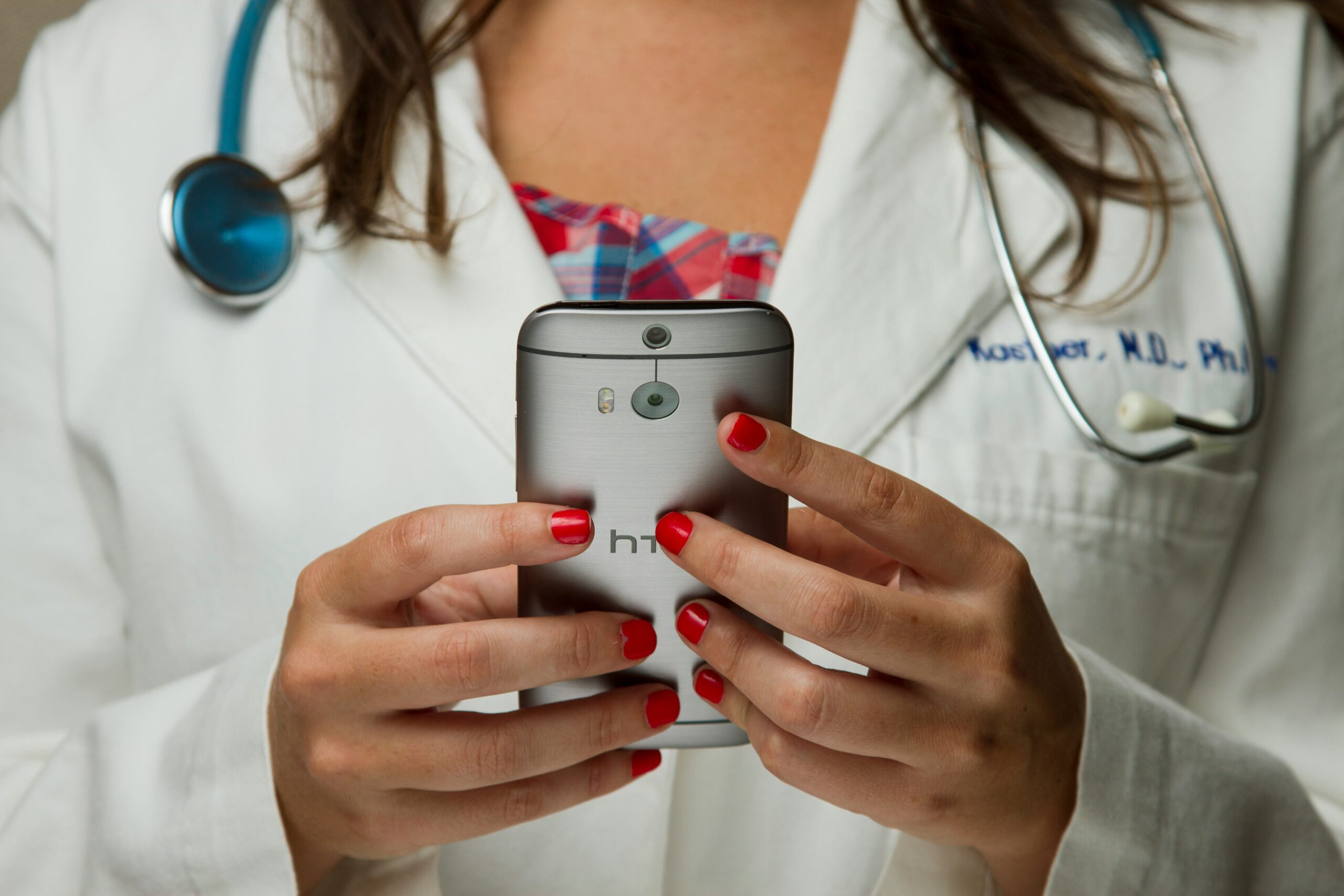
Nurses use tablets or smartphones to access and update patient health records in real-time. This means vital patient information, including medical history, current medications, and treatment plans, is readily available. It also allows for instant documentation of visits, observations, and interventions.
Telehealth and Remote Monitoring
While mobile nursing is hands-on at the patient’s location, technology extends its reach. Telehealth platforms allow for virtual consultations, and remote monitoring devices (like wearable sensors for heart rate or blood glucose monitors) can transmit data directly to the nurse or healthcare team, enabling proactive intervention.
Secure Communication Tools
Maintaining patient privacy is paramount. Mobile nurses utilize secure messaging apps and encrypted communication channels to collaborate with physicians, other healthcare professionals, and caregivers, ensuring sensitive information is protected.
GPS and Scheduling Software
Efficient routing and scheduling are crucial for maximizing the number of patients a nurse can see in a day. GPS technology helps optimize travel paths, and specialized software assists in organizing appointments, minimizing travel time, and ensuring timely arrival at patient locations.
Point-of-Care Testing Devices
Some mobile nursing services may incorporate portable diagnostic devices that allow for immediate testing of certain parameters (e.g., blood glucose, urine analysis) at the patient’s bedside. This provides quick results that can inform immediate care decisions.
Mobile nursing is rapidly transforming the healthcare landscape by providing patients with convenient access to medical services in their own homes. This innovative approach not only enhances patient satisfaction but also improves health outcomes by ensuring timely care. For those interested in exploring the benefits and challenges of this emerging field, a related article can be found here, which delves deeper into how mobile nursing is reshaping patient care and the future of healthcare delivery.
Challenges and Considerations in Mobile Nursing
Despite its many advantages, mobile nursing isn’t without its complexities. Navigating these challenges is essential for successful implementation and quality patient care.
Travel and Logistics
The inherent nature of mobile nursing involves significant travel. Nurses must contend with traffic, unpredictable weather conditions, and the sheer time spent on the road. Efficient route planning and time management are critical to ensure patient needs are met without undue delays.
Safety and Security
Mobile nurses often work independently in various settings. Ensuring their personal safety and security is a significant concern. Protocols for checking in and out of patient homes, working in pairs for certain visits, and awareness of surroundings are crucial. Access to reliable communication also plays a vital role.
Resource Limitations
Unlike a hospital setting, mobile nurses may have limited access to specialized equipment or immediate support. They must be resourceful and skilled in improvising when necessary, while also knowing when to escalate a situation and arrange for transport to a more equipped facility.
Documentation Accuracy and Timeliness
While technology aids documentation, nurses must maintain meticulous records accurately and promptly. In a mobile setting, this requires discipline and efficient use of downtime between visits to ensure all necessary information is captured for continuity of care and billing purposes.
Building Trust and Rapport
Establishing a strong, trusting relationship with patients and their families is fundamental in mobile nursing. Nurses are entering personal spaces, and their ability to demonstrate empathy, respect, and professionalism quickly builds the foundation for effective care delivery and patient adherence to treatment plans.
Regulatory Compliance
Adhering to licensing requirements, healthcare regulations, and privacy laws (like HIPAA in the US) is as important for mobile nurses as it is for those working in traditional settings. This includes maintaining proper documentation for billing and insurance purposes.
Burnout and Work-Life Balance
The demanding nature of mobile nursing, combined with travel and the emotional toll of caring for vulnerable individuals, can lead to burnout. Implementing strategies for stress management, providing adequate support systems, and fostering a healthy work-life balance are crucial for nurse retention.