Revolutionizing Healthcare with Mobile Medical
 raiyanhaider6@gmail.com
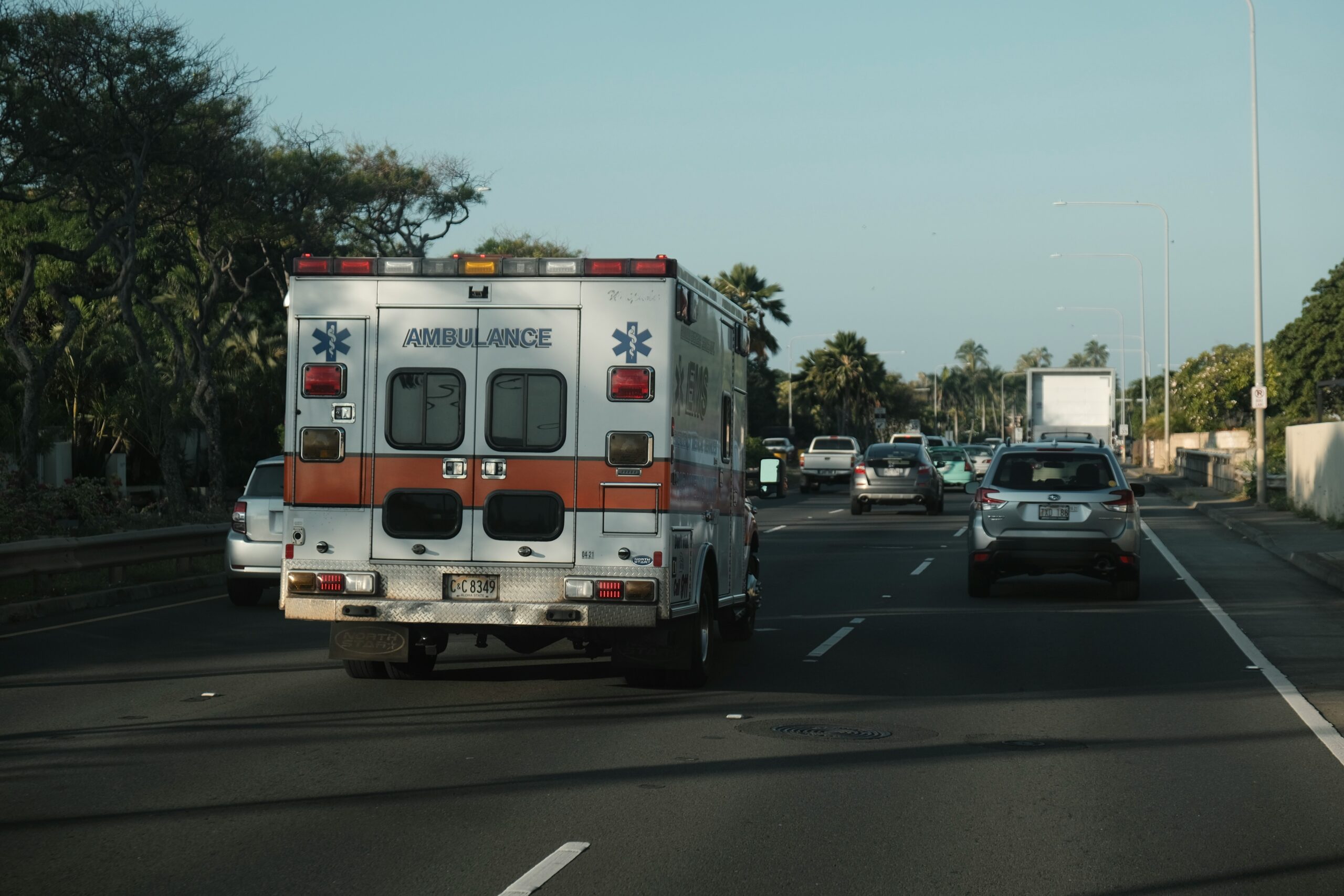
Ever wondered if getting to the doctor’s office is sometimes more hassle than it’s worth? You’re not alone. Mobile medical services are quietly stepping in to bridge that gap, making healthcare more accessible and convenient than ever before. Basically, it’s about bringing medical professionals and their services directly to you, whether that’s your home, your workplace, or even a community center. This isn’t about replacing traditional clinics, but rather adding a flexible layer that suits modern life. We’re talking about a shift from you having to go to the doctor, to the doctor coming to you, often powered by smart technology.
The “Why” Behind Mobile Medical
Let’s be honest, life gets busy. Between work, family, and everything else, finding time for a doctor’s appointment can feel like a juggling act. Then there’s the travel time, the waiting room, and the general disruption. Mobile medical services offer a practical solution to these everyday challenges.
Addressing Access Barriers
For many, getting to a clinic isn’t just a matter of time; it’s a genuine barrier. Think about people with mobility issues, those living in rural areas with limited transportation, or individuals who simply can’t take time off work. Mobile medical units can travel to these underserved populations, ensuring they don’t fall through the cracks.
Reaching Rural Communities
In areas where a clinic might be miles away, a mobile unit can be a lifeline. Imagine a doctor’s office on wheels equipped to handle routine check-ups, minor ailments, and even some diagnostic tests. This significantly cuts down on travel, making consistent care a reality for those who previously struggled to access it.
Supporting the Elderly and Infirmed
For elderly individuals or those with chronic conditions that make travel difficult or risky, having medical care come to them is a game-changer. It reduces stress, minimizes exposure to illness, and allows for more consistent monitoring by healthcare professionals in a familiar environment.
Enhancing Convenience and Time Efficiency
Beyond access, mobile medical services are all about making healthcare fit your schedule, not the other way around.
Same-Day and On-Demand Services
While not every mobile service offers true on-demand care yet, many provide same-day appointments, which is a far cry from waiting weeks for a slot. This is particularly valuable for managing acute but non-emergency issues.
Reducing Time Away from Work and Family
Skipping the commute and waiting room saves precious hours. This means less disruption to your workday and more quality time with your loved ones. It’s about reclaiming your schedule while still prioritizing your health.
For those interested in the advancements in mobile medical technology, a related article can be found at Mobile Health Global, which explores the latest innovations and trends in the field. This resource provides valuable insights into how mobile health applications are transforming patient care and enhancing access to medical services worldwide.
Kinds of Mobile Medical Services
The term “mobile medical” is broad, encompassing a surprising variety of services. It’s not just about a doctor in a van; the technology and scope are expanding rapidly.
Primary Care and Routine Check-ups
This is perhaps the most common application. Mobile units can provide annual physicals, manage chronic conditions, and address common illnesses like colds, flu, or minor infections.
Home-Based Primary Care
For patients who prefer or require care at home, dedicated mobile primary care physicians and nurses can visit regularly, keeping a close eye on their health and providing personalized attention.
Workplace Wellness Programs
Many companies are now partnering with mobile medical providers to offer on-site health screenings and basic medical services to their employees, promoting a healthier workforce.
Specialized Mobile Clinics
Beyond general care, specific medical needs are also being met through mobile units.
Dermatology and Skin Checks
Mobile dermatology clinics can bring specialized skin examinations and treatments directly to communities, making it easier for people to get suspicious moles checked or receive ongoing dermatological care.
Dental Services
Dental vans have been around for a while, providing crucial oral hygiene services to schools and remote areas, making dental care accessible to those who might otherwise go without.
Mental Health Support
Mobile mental health units are emerging, offering therapy and counseling services in accessible locations, helping to destigmatize mental health care and make it more readily available.
Pharmacy and Prescription Services
Some mobile medical initiatives are integrating pharmacy services, allowing patients to get prescriptions filled on-site after a consultation, streamlining the entire care process.
Diagnostic and Imaging Services
The technological advancements in mobile medical go beyond simple consultations.
Mobile X-ray and Ultrasound Units
These units can travel to different locations to provide essential diagnostic imaging, saving patients the trip to a specialized facility and speeding up diagnosis.
Lab Services on the Go
Mobile units equipped with point-of-care laboratory testing capabilities can perform a range of tests during a visit, providing immediate results for faster treatment decisions.
The Technology Driving the Revolution
Mobile medical services wouldn’t be as effective, or even possible, without the advancements in technology over the last decade. It’s the glue that holds it all together.
Telehealth Integration
This is a cornerstone of modern mobile medicine. It allows for remote consultations and monitoring.
Virtual Consultations
Even when a mobile unit is scheduled, many initial assessments or follow-up appointments can be conducted virtually, connecting patients with doctors or specialists through video calls. This drastically reduces the need for physical travel for non-urgent matters.
Remote Patient Monitoring
Wearable devices and other connected health tools allow mobile medical teams to continuously monitor patient vital signs and other health metrics from afar. This proactive approach can help identify potential problems before they become critical.
Digital Health Records and EMRs
The days of paper charts are rapidly fading, especially in a mobile context.
Seamless Data Transfer and Accessibility
Electronic Medical Records (EMRs) ensure that a patient’s health information is securely accessible by authorized medical professionals, regardless of their location. This means a mobile physician can access your full medical history during a home visit.
Interoperability and Communication
When mobile services work well, they integrate with larger healthcare networks. This means that information gathered by a mobile unit can be shared (with patient consent, of course) with your primary care physician at a traditional clinic, ensuring continuity of care.
Mobile Applications and Patient Portals
These tools empower patients and streamline the operational side of mobile healthcare.
Appointment Scheduling and Management
User-friendly mobile apps allow patients to easily book, reschedule, or cancel appointments. They can also provide reminders and necessary pre-appointment instructions.
Secure Messaging and Communication
Patients can often communicate securely with their care team through these platforms, asking questions about their treatment or relaying updates on their condition.
Access to Health Information
Patient portals provide access to test results, treatment plans, and educational materials, fostering greater patient engagement in their own health journey.
Benefits for Patients and Providers
It’s not just patients who are seeing the advantages. Healthcare providers and systems are also finding significant upsides to the mobile medical model.
Improved Patient Outcomes
When healthcare is more accessible and convenient, people are more likely to seek it out and adhere to treatment plans.
Increased Adherence to Treatment
If getting your medication or having a follow-up check-up is easy, you’re more likely to do it. Mobile services remove many of the common excuses for skipping care.
Early Detection and Intervention
By making regular check-ups more feasible, mobile medical services can lead to earlier detection of diseases, which often results in better treatment outcomes and less invasive interventions.
Reduced Hospital Readmissions
For patients with chronic conditions, regular home visits or accessible check-ups can help manage their health proactively, reducing the likelihood of complications that lead to costly hospitalizations.
Enhanced Efficiency for Healthcare Systems
Mobile medical services can help alleviate pressure on overstretched traditional healthcare facilities.
Reduced Waiting Times in Clinics
By diverting some of the load for routine appointments and minor issues, mobile services can free up appointment slots in traditional clinics for more complex cases.
Lower Overhead Costs
Operating a mobile unit can sometimes be more cost-effective than maintaining a large brick-and-mortar clinic, especially when considering the reduced need for physical office space and associated utilities.
Increased Patient Throughput
For certain services, mobile units can potentially see more patients in a day by minimizing setup and patient transition times that are common in larger facilities.
Mobile medical applications are transforming healthcare delivery by providing patients with easy access to medical information and services. For those interested in exploring this topic further, a related article discusses the impact of telemedicine on patient outcomes and accessibility. You can read more about it in this insightful piece here. As mobile technology continues to advance, the potential for improving health management and patient engagement grows significantly.
Challenges and the Road Ahead
Despite the clear advantages, the widespread adoption of mobile medical services isn’t without its hurdles. Addressing these will be key to its continued growth.
Regulatory and Licensing Issues
Navigating healthcare regulations across different states or regions can be complex for mobile providers.
Cross-State Practice
When a mobile service operates across state lines, it can encounter a patchwork of different licensing requirements for its practitioners and vehicles.
Evolving Healthcare Policies
As mobile medical services become more prevalent, policies need to adapt to ensure reimbursement, quality control, and patient safety are adequately addressed.
Infrastructure and Logistics
The practicalities of running a mobile operation require careful planning.
Maintaining Equipment and Supplies
Ensuring mobile units are consistently stocked with necessary medical supplies and that all equipment is in good working order requires robust logistical planning.
Route Optimization and Scheduling
Efficiently planning routes and schedules for mobile units to maximize patient reach while minimizing travel time is a significant logistical challenge.
Internet Connectivity and Power
Reliable internet access is crucial for telehealth and EMR access, and mobile units need robust power solutions for their equipment.
Reimbursement and Insurance Coverage
Ensuring that mobile medical services are adequately reimbursed is vital for their sustainability.
Fair Reimbursement Rates
Insurance providers and government payers need to establish fair reimbursement rates that reflect the cost and value of mobile healthcare services.
Understanding and Navigating Insurance Benefits
Both patients and providers need clarity on how insurance covers mobile medical visits, which can sometimes be a point of confusion compared to traditional clinic visits.
Public Awareness and Trust
While the concept is gaining traction, some people are still unfamiliar with or hesitant about non-traditional healthcare models.
Educating the Public
Many people may not be aware that these services exist or understand the full range of care they offer. Educational campaigns are important.
Building Trust and Familiarity
As with any new service, building trust and establishing a reputation for quality and reliability takes time. Positive patient experiences and word-of-mouth will be critical.
The landscape of healthcare is constantly shifting, and mobile medical services are a significant part of that evolution. By bringing care closer to people, leveraging technology, and addressing systemic inefficiencies, these mobile solutions are poised to make a lasting impact on how we experience health and wellness. It’s a practical response to the demands of modern life, offering a more accessible, convenient, and often more personalized approach to staying healthy.