Revolutionizing Healthcare with Mobile Units
 raiyanhaider6@gmail.com
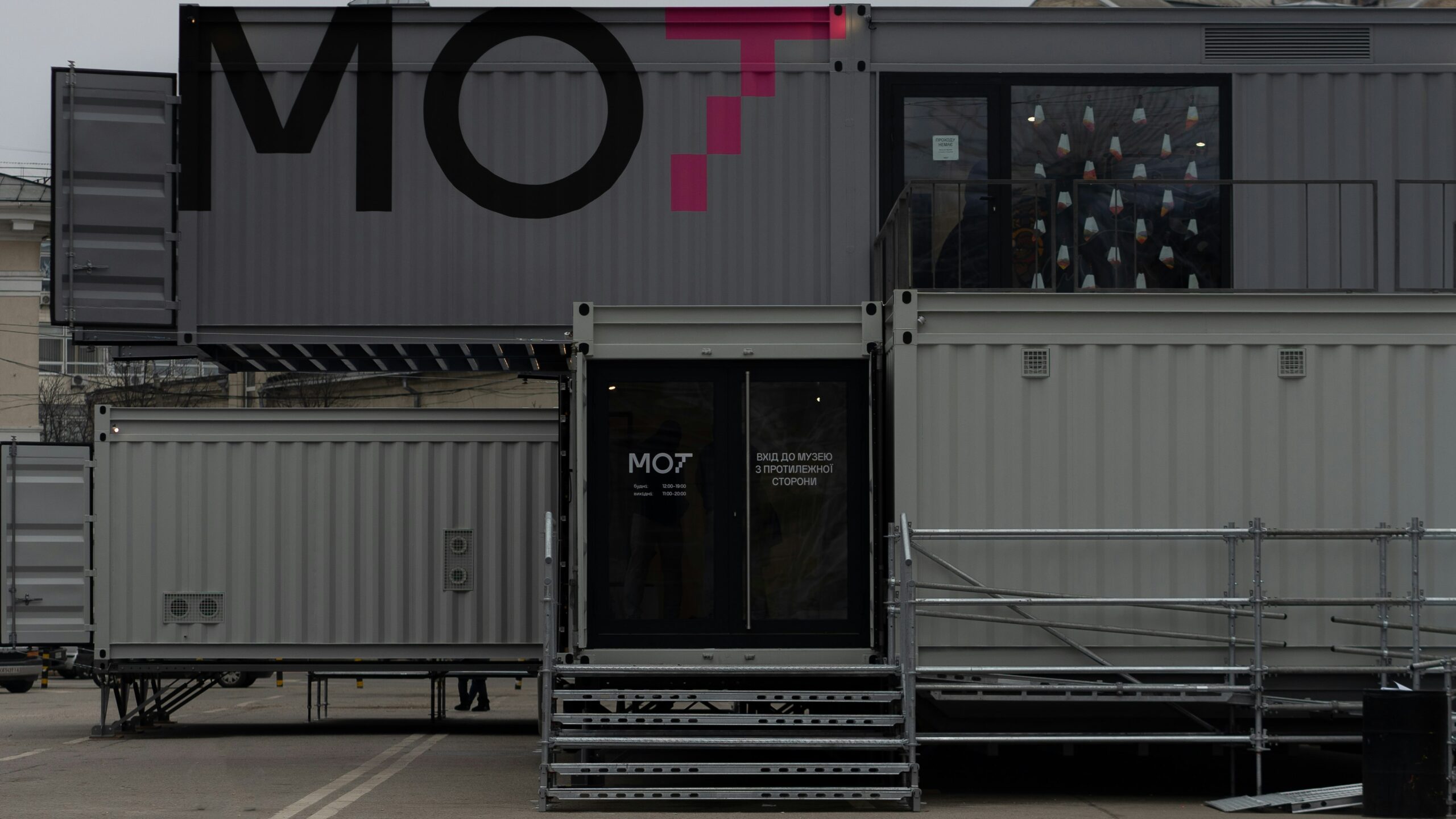
Mobile units are fundamentally changing how healthcare is delivered, especially in underserved communities or during crises. They bring essential medical services directly to people, breaking down barriers like distance, cost, and lack of transportation. Instead of patients traveling to clinics or hospitals, the care comes to them – a practical shift that’s proving incredibly effective.
Mobile healthcare isn’t a new concept; ambulances are a prime example. However, modern mobile units extend far beyond emergency transport. They’re designed to deliver a wide range of services, often acting as fully equipped clinics on wheels. This evolution reflects a growing understanding that access to care is often hampered by factors unrelated to the quality of medical treatment itself.
From Emergency Response to Proactive Care
Historically, mobile medical services were largely reactionary – responding to accidents or acute illnesses. Today, the focus is much broader. These units are being used proactively for preventative care, chronic disease management, and even specialized treatments. This shift is crucial for improving public health outcomes, as it addresses issues before they become emergencies. Imagine a mobile unit offering regular diabetes screenings in a rural area, catching potential problems early rather than waiting for a crisis.
Flexibility in Service Provision
One of the greatest strengths of mobile units is their adaptability. They can be deployed quickly and reconfigured for different needs. A unit that provides vaccinations one week might offer mental health counseling the next, or transition to a disaster relief role following a natural catastrophe. This flexibility makes them an invaluable asset in a rapidly changing healthcare landscape. It also means resources can be allocated more dynamically to areas of greatest need, bypassing the bureaucratic hurdles often associated with establishing permanent facilities.
Mobile health units are revolutionizing healthcare delivery, especially in underserved areas. For a deeper understanding of how these units are impacting public health and improving access to medical services, you can read a related article on this topic at Mobile Health Global. This resource provides insights into the various applications and benefits of mobile health solutions, highlighting their role in enhancing community health outcomes.
Expanding Access and Reducing Disparities
A core driver for mobile healthcare is addressing health disparities. Many communities, both rural and urban, lack adequate access to healthcare facilities due to geographical distance, economic constraints, or a shortage of healthcare professionals. Mobile units directly tackle these issues.
Reaching Underserved Populations
For individuals in remote rural areas, a trip to the nearest clinic might involve hours of travel, lost wages, and significant transportation costs. Mobile units eliminate this burden by bringing the clinic to their doorstep. Similarly, in urban areas, low-income communities or those with limited public transportation often struggle to access appointments. Mobile clinics can set up shop in community centers, schools, or even parking lots, making healthcare accessible to those who need it most, without requiring them to navigate complex transport systems.
Bridging the Gap for Vulnerable Groups
Beyond geographical barriers, certain populations face additional hurdles. Homeless individuals, migrant workers, and the elderly, for example, often have difficulty accessing traditional healthcare. Mobile units can offer culturally sensitive care in familiar settings, building trust and reducing the stigma associated with seeking medical help. This personalized approach is vital for ensuring these vulnerable groups receive consistent and appropriate care, which might otherwise be neglected until conditions worsen significantly.
Diverse Applications and Specialized Services

Modern mobile healthcare units are far from one-size-fits-all. They can be equipped for a wide array of specific medical services, demonstrating their versatility and potential to integrate into complex healthcare ecosystems.
Primary Care on Wheels
Many mobile units focus on delivering basic primary care services. This includes general check-ups, acute illness treatment (colds, flu, minor infections), chronic disease management (diabetes, hypertension), and prescription refills. For many without a regular primary care provider, these units serve as a vital entry point into the healthcare system, bridging gaps in continuous care. This preventative and early intervention approach can significantly reduce the burden on emergency rooms, which are often the default for those without primary care access.
Preventative Health and Screenings
Prevention is often more effective and less costly than treatment. Mobile units excel at delivering preventative services like immunizations (flu shots, childhood vaccinations), health screenings (blood pressure, cholesterol, glucose), and cancer screenings (mammograms, pap smears with specialized units). By bringing these services to communities, they increase participation and improve public health outcomes before serious conditions develop. These outreach programs are particularly effective in schools and workplaces.
Dental and Vision Care
Access to dental and vision care is often even more challenging than general medical care, given specialized equipment and personnel. Mobile dental and vision clinics can address this directly. Equipped with dental chairs, X-ray machines, or optometry equipment, these units provide examinations, cleanings, and even minor procedures, significantly improving oral and ocular health in areas where these services are scarce. Poor dental hygiene, for instance, has known links to systemic health issues, making mobile dental care particularly impactful.
Mental Health & Substance Abuse Support
Addressing mental health and substance abuse requires a sensitive and accessible approach. Mobile units can provide therapy, counseling, psychiatric evaluations, and medication management in less intimidating environments than traditional clinics. This “on-the-go” model can help reduce stigma and reach individuals who might otherwise avoid seeking help due to shame or logistical difficulties. Mobile units can also serve as critical points of contact for harm reduction strategies, such as distributing naloxone or clean needles.
Disaster Response and Emergency Services
In times of natural disaster or other emergencies, existing healthcare infrastructure can be overwhelmed or destroyed. Mobile units are crucial for providing immediate medical care, triage, and supporting displaced populations. They can be deployed rapidly to affected areas, offering first aid, immunizations to prevent outbreaks, and mental health support to survivors. Their self-contained nature means they can operate even when local utilities are compromised, making them resilient in crisis situations.
Operational Considerations and Challenges

While the benefits of mobile healthcare are significant, operating these units comes with its own set of practical challenges that require careful planning and innovative solutions.
Staffing and Logistics
Staffing mobile units can be complex. They require a dedicated team of healthcare professionals (doctors, nurses, technicians, counselors) who are comfortable working in varied environments and often with limited resources. Recruiting and retaining staff willing to work outside traditional clinics can be difficult. Logistically, planning routes, managing schedules, and ensuring units are adequately stocked with supplies and medications requires robust organizational systems. Fuel, maintenance, and parking are also continuous operational concerns.
Funding and Sustainability
The initial investment in a mobile unit and its ongoing operational costs (fuel, staff salaries, supplies, equipment maintenance) can be substantial. Securing reliable funding sources – whether through grants, government programs, partnerships with hospitals, or philanthropic donations – is crucial for long-term sustainability. Demonstrating the cost-effectiveness of preventative care and reduced emergency room visits linked to mobile services can help justify these investments. Data collection on health outcomes is vital for proving the return on investment.
Technology and Connectivity
Modern healthcare relies heavily on technology, from electronic health records (EHRs) to diagnostic equipment. Mobile units need reliable internet connectivity to access patient records, communicate with remote specialists, and process billing. This can be a challenge in rural areas with poor infrastructure. Secure and robust telehealth capabilities are also increasingly important, allowing mobile unit staff to consult with specialists who aren’t physically present. Power management for equipment is another continuous consideration.
Mobile units have become increasingly essential in various sectors, providing flexibility and efficiency in service delivery. For a deeper understanding of how these units are transforming healthcare, you can explore a related article that discusses the impact of mobile health clinics on underserved communities. These innovative solutions not only enhance access to medical services but also improve patient outcomes significantly. To read more about this topic, check out the article here.
The Future of Mobile Healthcare
“`html
| Mobile Unit | Number of Units | Location | Services Provided |
|---|---|---|---|
| Mobile Unit 1 | 10 | City A | Healthcare, Vaccinations |
| Mobile Unit 2 | 8 | City B | Dental Care, Health Screenings |
| Mobile Unit 3 | 12 | City C | Mental Health Support, Counseling |
“`
The role of mobile healthcare units is set to expand further as technology advances and healthcare systems adapt to evolving patient needs. They represent a dynamic and adaptable solution to many of the persistent challenges in healthcare access and delivery.
Integration with Telemedicine and AI
The combination of mobile units and telehealth is particularly powerful. Staff on the mobile unit can conduct an initial assessment, and then use teleconferencing to connect patients with specialists (e.g., dermatologists, neurologists) who might be hundreds of miles away. Artificial intelligence could further enhance diagnostics and personalize treatment plans on the spot, leveraging data from portable diagnostic devices. Imagine an AI-powered scope identifying potential skin lesions, with a real-time teleconsultation confirming diagnosis.
Specialized Niche Units
We’re likely to see more highly specialized mobile units emerge. Beyond general primary care, imagine units dedicated entirely to geriatric care, wound care, or even palliative care, bringing these focused services to patient homes or community settings. This specialization allows for higher quality, more efficient care for specific populations, directly addressing their unique health needs with appropriate expertise and equipment.
Data-Driven Deployment
Future mobile healthcare models will increasingly use data analytics to optimize deployment. By analyzing health data, mapping disease outbreaks, and identifying communities with high rates of chronic conditions or low vaccination rates, units can be deployed strategically to maximize their impact. This data-driven approach moves beyond reactive deployments to proactive, preventative health interventions tailored precisely to community needs, ensuring that resources are always directed to where they can do the most good. This optimizes travel time, reduces operational costs, and ultimately improves public health.