Utilizing mHealth for Health Promotion
 raiyanhaider6@gmail.com

We are at a point where our relationship with technology is deeply interwoven with our daily lives. This pervasive presence extends to our pursuit of well-being, leading us to explore the potential of mHealth, or mobile health, for our health promotion efforts. For our communities and for ourselves, understanding and strategically implementing mHealth tools represents a significant opportunity to foster healthier lifestyles, manage chronic conditions, and enhance overall wellness.
We’ve witnessed the rapid evolution of mobile devices from mere communication tools to sophisticated platforms capable of collecting, analyzing, and disseminating health-related information. This accessibility and versatility are what make mHealth a compelling avenue for health promotion. Rather than relying solely on traditional, often geographically constrained, health services, we can now leverage the devices we carry in our pockets to support our health goals. This article aims to delve into the practicalities and possibilities of utilizing mHealth for our collective and individual health promotion.
When we talk about mHealth, we are referring to a broad spectrum of applications and services delivered via mobile devices, including smartphones, tablets, and even wearables. This encompasses a range of functionalities that can support our health, from simple reminders to complex data tracking and personalized feedback. The diversity within mHealth means that we have a wide array of tools to consider, catering to various needs and preferences.
Diverse Applications of mHealth
Our engagement with mHealth can take many forms. We might encounter applications designed for promoting physical activity, tracking dietary intake, monitoring sleep patterns, or managing stress levels. For those navigating specific health challenges, mHealth offers specialized solutions.
Fitness and Activity Trackers
These are perhaps the most visible forms of mHealth. Wearable devices, seamlessly integrated into our daily routines, can passively collect data on our steps, distance covered, heart rate, and even sleep quality. We can then sync this data with companion apps on our smartphones, providing us with insights into our activity levels and helping us set and achieve fitness goals. These tools can serve as valuable motivators, offering visual progress reports and sometimes even gamified challenges to encourage consistent engagement.
Nutritional Tracking Apps
For many of us, understanding our diet is a crucial aspect of health promotion. Nutritional tracking apps allow us to log our food and drink intake, often with extensive databases of food items and their associated caloric and macronutrient information. This data helps us become more mindful of our consumption, identify areas for improvement, and ensure we are meeting our nutritional needs. While manual logging can be time-consuming, the insights gained can be significant in guiding our dietary choices towards healthier patterns.
Mental Wellness and Mindfulness Applications
Beyond physical health, mHealth also offers substantial support for our mental well-being. Applications focused on mindfulness, meditation, and stress management provide guided sessions, breathing exercises, and mood tracking features. These tools can empower us to develop coping mechanisms for stress, improve our emotional regulation, and foster a greater sense of calm and presence in our lives. The accessibility of these resources makes mental wellness practices more attainable for a wider audience.
Chronic Disease Management Tools
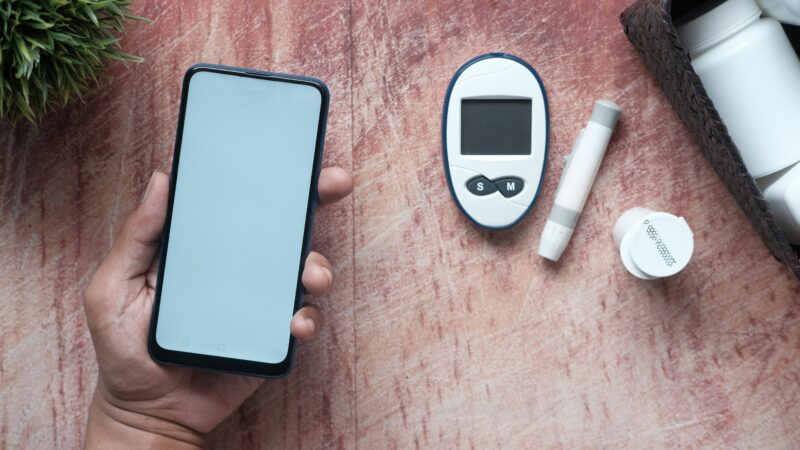
For individuals managing chronic conditions, mHealth can be a powerful ally. We can find applications that help monitor blood glucose levels for diabetics, track blood pressure for individuals with hypertension, or manage medication adherence. These tools often allow for data sharing with healthcare providers, facilitating more informed and proactive care. The ability to remotely monitor key health indicators can lead to earlier detection of complications and more timely interventions, potentially improving long-term health outcomes.
The Technological Underpinnings
The functionality of mHealth relies on a combination of hardware and software. The mobile devices themselves, equipped with sensors, processors, and connectivity, form the foundation. This is complemented by sophisticated software applications developed to process this data, present it to users in an understandable format, and often provide personalized feedback or recommendations.
Sensor Technology
Many mHealth applications leverage the built-in sensors of our mobile devices. Accelerometers and gyroscopes, for instance, are fundamental for activity tracking. Heart rate sensors, increasingly common in both smartphones and wearables, provide physiological data. GPS functionality allows for tracking location-based activities like running or cycling routes. The continuous improvement in sensor accuracy and capability is expanding the potential of mHealth.
Data Analytics and AI
The raw data collected by mHealth devices is only valuable when it can be analyzed and interpreted. Advanced algorithms and, increasingly, artificial intelligence (AI) play a critical role in transforming this data into actionable insights. AI can identify trends, predict potential health risks, and personalize recommendations based on individual usage patterns and health profiles. This sophisticated analysis allows mHealth to move beyond simple data collection to offer more proactive and personalized health guidance.
Connectivity and Cloud Computing
The ability to connect to the internet and utilize cloud computing infrastructure is essential for many mHealth applications. Data synchronization between devices, secure storage of personal health information, and the ability to share data with healthcare providers or community health programs all rely on robust connectivity. Cloud platforms enable scalability and the processing of large datasets, supporting the development of more complex and feature-rich mHealth solutions.
Mobile health (mHealth) interventions have emerged as a powerful tool for health promotion, particularly in enhancing access to healthcare services and improving health outcomes. A related article that explores the effectiveness of mHealth strategies in promoting health behaviors can be found at Mobile Health Global. This resource provides insights into various mHealth applications and their impact on public health initiatives, highlighting innovative approaches to engage individuals in their health management through technology.
Enhancing Health Promotion Strategies with mHealth
We recognize that for mHealth to be truly effective in health promotion, it must be integrated into broader strategies rather than being viewed as a standalone solution. This means aligning mHealth initiatives with existing public health goals and tailoring them to the specific needs of our communities.
Reaching Underserved Populations
One of the significant advantages of mHealth is its potential to bridge gaps in access to healthcare and health information, particularly for populations that may face geographical, economic, or social barriers to traditional health services.
Mobile Accessibility and Affordability
In many regions, mobile phone penetration is significantly higher than access to traditional clinics or doctors’ offices. This widespread availability means that mHealth can reach individuals who might otherwise be excluded from health promotion efforts. The relative affordability of mobile data plans compared to healthcare services also makes mHealth a more accessible option for many. We need to consider how to leverage this affordability to ensure equitable access.
Overcoming Geographical Barriers
For individuals living in rural or remote areas, accessing health promotion programs or consultations can be a significant challenge. mHealth applications and services can deliver health education, remote monitoring, and even tele-consultations directly to their devices, effectively overcoming geographical limitations and bringing health resources closer to home. We are continually exploring ways to improve digital infrastructure in these areas to maximize this benefit.
Tailored Interventions for Specific Groups
mHealth allows for the customization of health promotion messages and interventions to suit the specific needs, cultural backgrounds, and literacy levels of different demographic groups. This targeted approach can increase engagement and effectiveness, ensuring that health promotion efforts resonate with the intended audience. We are actively working on developing culturally sensitive and linguistically appropriate mHealth content.
Fostering Behavior Change
Our ultimate aim with health promotion is to facilitate positive and sustainable behavior change. mHealth offers innovative ways to support this process through personalized feedback, motivational prompts, and social support mechanisms.
Personalized Feedback and Goal Setting
The data collected by mHealth tools can be used to provide individuals with personalized feedback on their health behaviors. This feedback can highlight areas of success and areas that require improvement, coupled with tailored recommendations. The ability to set achievable goals and track progress visually can also be a powerful motivator for sustained behavior change. We believe in empowering individuals with self-awareness.
Gamification and Motivational Elements
Incorporating gamified elements into mHealth applications can make health promotion more engaging and enjoyable. This can include earning points, unlocking achievements, or competing with friends (in a supportive and healthy way). These motivational features can help overcome the inertia that often prevents individuals from adopting healthier habits. Our focus is on creating intrinsically rewarding experiences.
Social Support and Community Building
Many mHealth platforms enable users to connect with others who share similar health goals or challenges. Online communities, forums, and mutual encouragement can provide a vital source of social support, accountability, and shared learning. This sense of community can be particularly important for individuals who may feel isolated in their health journeys. We are building platforms that foster genuine connection.
Addressing Challenges and Ensuring Equity
While the potential of mHealth is considerable, we must also acknowledge and proactively address the challenges associated with its implementation. Ensuring that mHealth benefits are accessible to all members of our communities requires careful consideration of various factors.
The Digital Divide and Accessibility Issues
Despite increasing mobile penetration, a persistent digital divide remains. Not everyone has access to smartphones, reliable internet connectivity, or the digital literacy required to effectively use mHealth tools. This disparity risks exacerbating existing health inequalities.
Socioeconomic Factors and Access to Technology
The cost of mobile devices, data plans, and internet access can be prohibitive for individuals from lower socioeconomic backgrounds. This creates a barrier to entry for mHealth solutions, potentially leaving the most vulnerable populations behind. We are exploring partnerships to provide subsidized access or develop low-bandwidth solutions.
Digital Literacy and User Training
Even with access to technology, some individuals may lack the necessary digital literacy skills to navigate mHealth applications effectively. Without adequate training and support, these individuals may be unable to benefit from the available resources. We are advocating for digital literacy programs alongside mHealth implementation.
Language and Cultural Barriers
As mentioned earlier, mHealth content needs to be culturally and linguistically appropriate. A one-size-fits-all approach will not suffice. Developing resources in multiple languages and adapting content to local cultural contexts is crucial for broad adoption and effectiveness. We are committed to diverse and inclusive content development.
Data Privacy and Security Concerns
The collection and storage of sensitive personal health information through mHealth platforms raise significant concerns regarding data privacy and security. Protecting this information from unauthorized access and misuse is paramount.
Confidentiality of Health Data
We must ensure that the health data collected by mHealth applications is kept confidential and used only for the intended purposes. Robust encryption, secure storage protocols, and clear data usage policies are essential to build trust among users. Our commitment is to transparency in data handling.
Regulatory Frameworks and Compliance
The regulatory landscape surrounding mHealth is still evolving. Clear guidelines and frameworks are needed to govern data collection, privacy, and the security of health applications. Adherence to existing regulations and proactive engagement in shaping future policies are crucial steps. We are actively monitoring and contributing to policy discussions.
User Consent and Control Over Data
Individuals should have complete control over their health data. This includes informed consent for data collection, the ability to access and review their data, and the right to request its deletion. Empowering users with this autonomy is fundamental to ethical mHealth practices. We believe in user agency and informed decision-making.
Ethical Considerations and Responsible Implementation
Our exploration of mHealth for health promotion necessitates a deep dive into the ethical considerations that underpin its responsible development and deployment. We aim for solutions that are not only effective but also equitable and respectful of individual rights and autonomy.
Ensuring Evidence-Based Approaches
The effectiveness of mHealth interventions relies on a foundation of robust scientific evidence. Without rigorous evaluation, we risk investing in tools and strategies that may not deliver the intended health benefits.
Research and Evaluation Methodologies
We must prioritize research methodologies that can credibly assess the impact of mHealth on health outcomes. This includes well-designed randomized controlled trials, longitudinal studies, and qualitative research to understand user experiences and the nuances of behavior change. Our focus is on data-driven decision-making.
Translating Research into Practice
The findings from mHealth research need to be effectively translated into practical applications and public health initiatives. This involves bridging the gap between academic research and the development and dissemination of usable mHealth tools. We are committed to rigorous testing and iteration.
Continuous Monitoring and Improvement
The mHealth landscape is dynamic. Continuous monitoring of adopted mHealth solutions is required to identify any unintended consequences, assess their ongoing effectiveness, and make necessary improvements. This iterative approach ensures that our interventions remain relevant and beneficial over time. We are committed to a learning and adaptation cycle.
Building Trust and Promoting Digital Health Literacy
For mHealth to gain widespread acceptance and utilization, we must cultivate trust among individuals and empower them with the knowledge and skills to navigate the digital health landscape.
Transparency in Application Functionality
Users need to understand how mHealth applications work, what data they collect, and how that data is used. Transparency in the functionality and data governance of these tools is crucial for building confidence and promoting informed choices. We advocate for clear and accessible explanations.
Combating Misinformation and Disinformation
The digital realm can be a breeding ground for health misinformation. We need to actively combat the spread of inaccurate or harmful health advice within mHealth platforms and promote reliable sources of health information. Our strategy includes content moderation and user education.
Promoting Digital Health Literacy Programs
Investing in digital health literacy programs can equip individuals with the skills to critically evaluate online health information, use mHealth tools effectively, and protect their digital privacy. These programs are essential for ensuring equitable access to the benefits of mHealth. We are champions of continuous learning and digital empowerment.
Mobile health (mHealth) interventions have gained significant attention for their potential to enhance health promotion strategies, particularly in underserved populations. A recent article discusses the effectiveness of these digital tools in improving health outcomes and increasing access to care. For those interested in exploring this topic further, the article provides valuable insights and evidence on the impact of mHealth initiatives. You can read more about it in this related article, which highlights various case studies and best practices in the field.
The Future of mHealth in Health Promotion
| Intervention Type | Target Population | Outcome |
|---|---|---|
| Text message reminders | Pregnant women | Increased antenatal care attendance |
| Mobile apps | Adolescents | Improved knowledge of sexual health |
| Telemedicine | Rural communities | Increased access to healthcare services |
Looking ahead, we envision mHealth playing an increasingly integral role in shaping our approaches to health promotion. The continued advancements in technology, coupled with a growing understanding of user needs and ethical considerations, will undoubtedly lead to more sophisticated and impactful solutions.
Integration with Artificial Intelligence and Machine Learning
The integration of AI and machine learning will further enhance the personalization and predictive capabilities of mHealth. AI can analyze vast datasets to identify individual health risks before they become significant issues, offering proactive interventions and personalized health trajectories. We anticipate AI-driven coaching and early warning systems.
Wearable Technology and the Internet of Health Things
The proliferation of wearable devices and the broader concept of the “Internet of Health Things” (IoHT) will lead to more comprehensive and continuous health monitoring. Devices will communicate with each other, creating a rich tapestry of health data that can inform personalized wellness plans and facilitate remote patient care. We are envisioning interconnected health ecosystems.
The Role of mHealth in Public Health Surveillance and Response
mHealth can be a valuable tool for public health surveillance, enabling the rapid collection of data on disease outbreaks, health trends, and population health indicators. This can facilitate quicker and more effective public health responses to emerging health threats. We see mHealth as a vital component of our public health infrastructure.
mHealth in Personalized and Preventive Healthcare
Ultimately, mHealth holds the promise of shifting healthcare paradigms from reactive treatment to proactive prevention and personalized wellness. By empowering individuals with accessible tools and insights, we can foster a culture of self-care and empower ourselves and our communities to live healthier, more fulfilling lives. Our collective goal is a future where health is actively managed and optimized by informed individuals.
FAQs
What are mobile health (mhealth) interventions?
Mobile health (mhealth) interventions are health promotion strategies that utilize mobile technology, such as smartphones and tablets, to deliver health-related information, education, and support to individuals.
How do mobile health interventions promote health?
Mobile health interventions promote health by providing individuals with access to health information, resources, and support anytime and anywhere. They can help individuals track their health behaviors, receive reminders for medication or appointments, and access virtual support groups.
What are the benefits of using mobile health interventions for health promotion?
The benefits of using mobile health interventions for health promotion include increased accessibility to health information and resources, improved health behavior tracking, enhanced patient engagement, and the potential for reaching underserved populations.
What types of health promotion activities can be delivered through mobile health interventions?
Mobile health interventions can deliver a wide range of health promotion activities, including educational content, behavior tracking tools, personalized health coaching, medication adherence support, and virtual support groups for individuals with specific health conditions.
Are there any limitations or challenges associated with mobile health interventions for health promotion?
Some limitations and challenges associated with mobile health interventions for health promotion include concerns about data privacy and security, the potential for health disparities in access to mobile technology, and the need for ongoing evaluation of the effectiveness of these interventions.